
Introduction: Why Bird Watching at Nandur Madhmeshwar Is a 2025 Must-Do
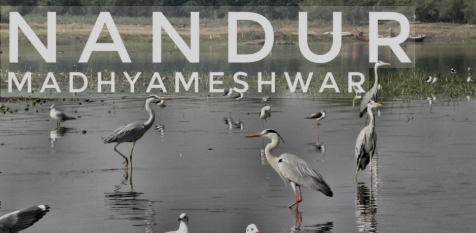
Bird Watching at Nandur Madhmeshwar has exploded in popularity in recent years, drawing attention from both seasoned ornithologists and curious weekenders. Located near the confluence of the Godavari and Kadwa rivers, this bird sanctuary often dubbed the “Bharatpur of Maharashtra” is a haven for migratory birds and nature lovers. In 2025, the sanctuary promises a mix of awe-inspiring beauty and eye-opening challenges.
1. Over 230 Species Await You – Including Rare Migratory Visitors
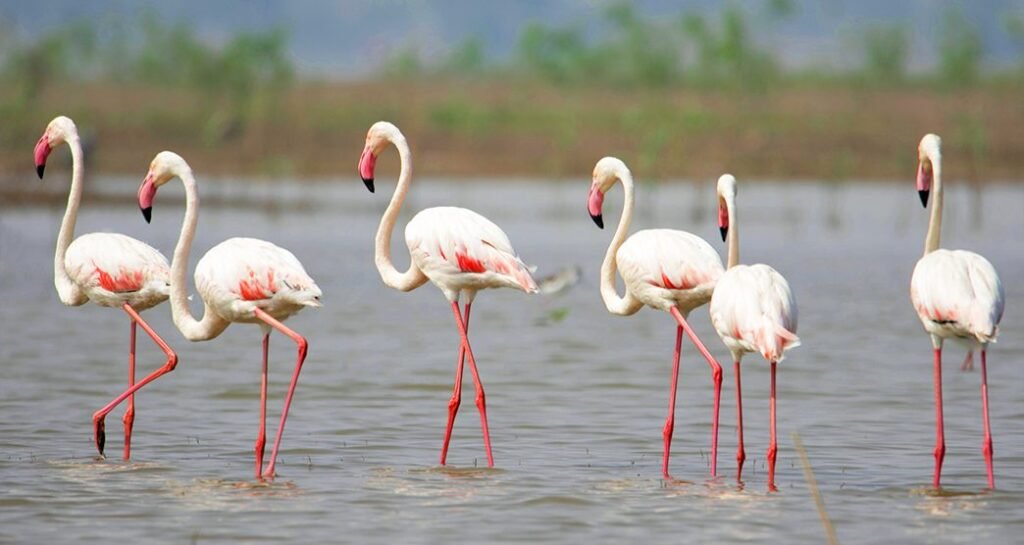
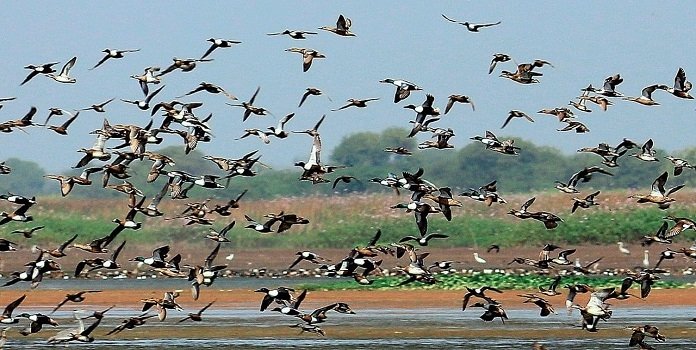
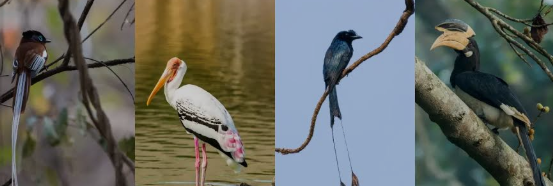
One of the most jaw-dropping aspects of Bird Watching at Nandur Madhmeshwar is the sheer biodiversity. The sanctuary is home to over 230 species, including migratory birds from Europe, Central Asia, and Siberia. You might spot flamingos, bar-headed geese, whistling teals, and painted storks. This breathtaking variety makes the sanctuary one of the most important wetland ecosystems in India.
The best part? The sanctuary is accessible year-round, but the peak bird watching season is November to February, when migratory birds arrive in full glory.
2. The Harsh Reality of Habitat Loss Is Still Looming
While Bird Watching at Nandur Madhmeshwar offers visual ecstasy, the underlying environmental concerns are hard to ignore. Rapid urbanization, illegal fishing, and agricultural encroachment are shrinking the wetland’s footprint. The loss of natural habitat threatens migratory patterns and nesting grounds, making bird watching here both an experience and a sobering reminder of human impact on nature.
Wildlife conservation groups have been lobbying for stricter eco-zoning laws, but real, large-scale protections are still lagging in 2025.
3. Top Bird Watching Spots Within The Sanctuary (2025 Edition)
When indulging in Bird Watching at Nandur Madhmeshwar, don’t just wander aimlessly. These top viewing spots provide the most action:
- Mokhada Watch Tower – Offers panoramic views and sightings of larger wading birds like herons and ibises.
- Kadwa Riverbank Zone – Best for spotting kingfishers, ducks, and teals.
- Forest Patches Near Villages – Home to warblers, flycatchers, and babblers.
Bring a pair of binoculars (10×42 or higher) and a DSLR with a good zoom lens if you’re into photography.
4. Shocking Lack of Facilities Despite Growing Tourism
In 2025, one would expect upgraded amenities in a place as popular as Nandur Madhmeshwar. Unfortunately, Bird Watching at Nandur Madhmeshwar still suffers from basic infrastructure problems. Public toilets are rare, signage is inconsistent, and eco-guides are limited.
However, the local tourism board has finally announced plans to upgrade facilities by the end of 2025, so there’s hope that conditions will improve for the next migration season.
5. Local Culture And Community Participations Are HeartWarming
A less-discussed yet beautiful aspect of Bird Watching at Nandur Madhmeshwar is the supportive local community. Many villagers have turned into eco-guides, conservationists, and homestay hosts. This community-driven model not only provides authentic local experiences but also creates economic incentives for conservation.
You can stay in eco-huts, enjoy home-cooked Maharashtrian meals, and listen to folk tales about the region’s wildlife all while supporting local livelihoods.
6. How Climate Change is Shifting Bird Patterns in 2025
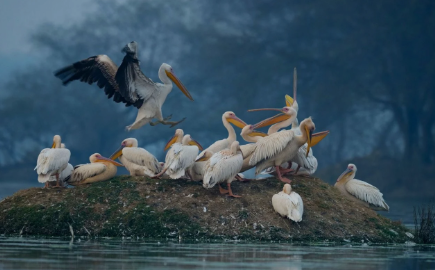
Another shocking reality affecting Bird Watching at Nandur Madhmeshwar is climate change. In 2025, irregular monsoon patterns and rising temperatures have altered the migratory timings and behaviors of many species. Some migratory birds now arrive later, and certain native species are declining due to changing food availability and water levels.
Bird watchers and researchers alike are now tracking these shifts to understand the long-term ecological impact.
7. Planning Your Bird Watching Trip: Must-Know Travel Tips
To make the most of Bird Watching at Nandur Madhmeshwar in 2025, follow these key tips:
- Best Time to Visit: November to February
- How to Reach: 70 km from Nashik; best reached by private vehicle or taxi
- Accommodation: Book in advance; try nature resorts or village homestays
- Entry Fee: Nominal, but subject to change during peak season
- Travel Essentials: Camera, binoculars, sunscreen, hat, water bottle, and bird guidebook
Pack light but be fully prepared for rural terrain. Wear muted colors to blend into the natural surroundings and avoid disturbing the birds.
Final Thoughts: Beauty and Brutality Intertwined
Bird Watching at Nandur Madhmeshwar in 2025 is an experience that’s both breathtaking and brutally honest. The sanctuary offers an unforgettable view of nature’s beauty while also highlighting the urgent need for conservation.
It’s not just about spotting birds it’s about witnessing a fragile ecosystem that needs protection.
Whether you’re a first-timer or an avid birding enthusiast, this sanctuary delivers 7 jaw-dropping sights and yes, a few shocking realities that stay with you long after you’ve put your camera down.