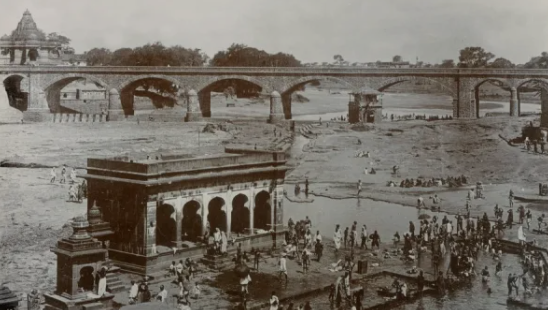
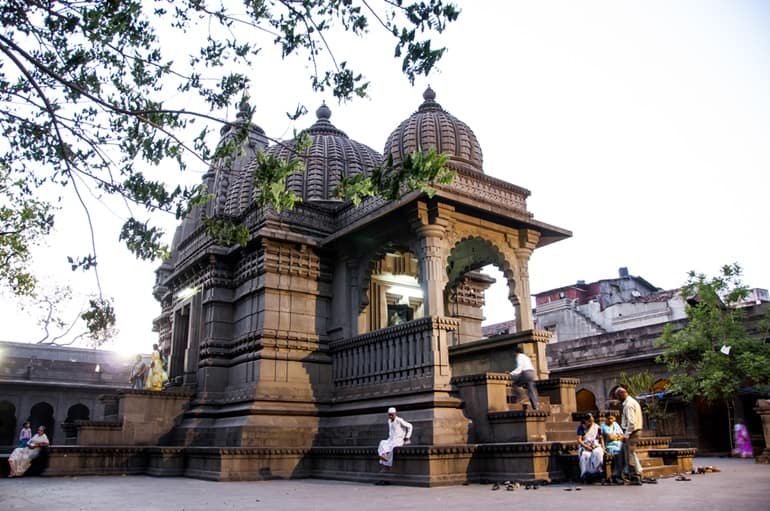
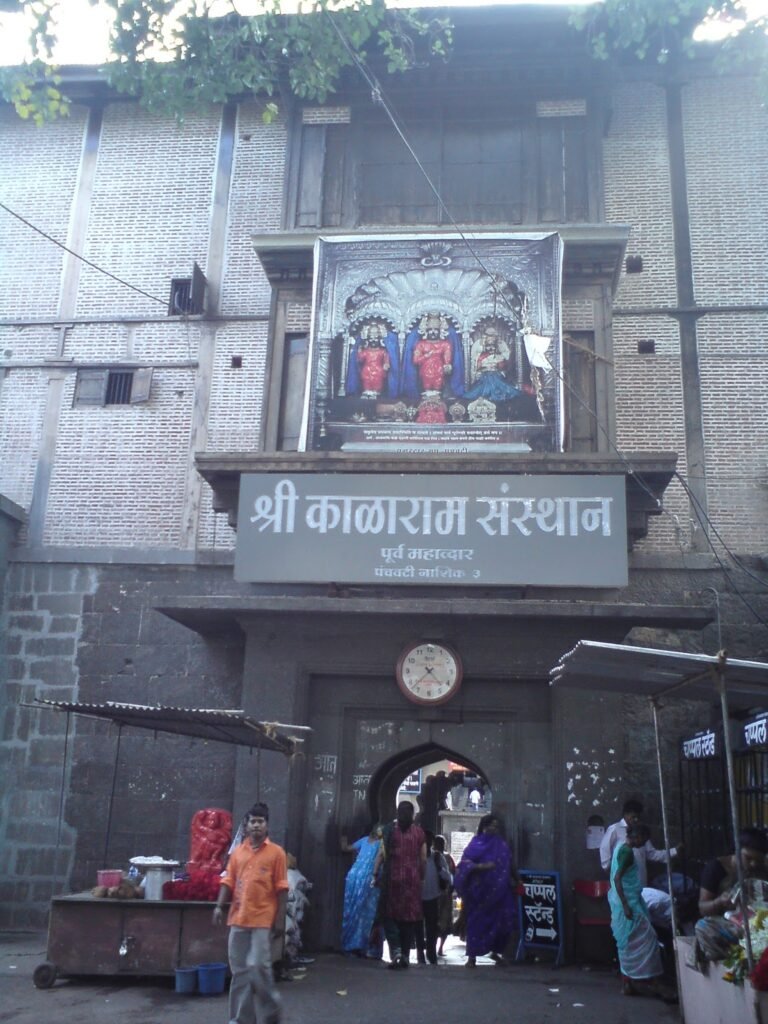
Kalaram Temple, located in Panchvati, Nashik, is not just a spiritual beacon it’s a historic site filled with devotion, politics, and deep cultural symbolism. While the temple draws lakhs of pilgrims every year, Kalaram Temple controversies continue to stir debates in 2025.
This sacred site is known for its stunning black stone idol of Lord Rama and its 70-feet high spire, but beneath the architectural marvel lies a history of caste conflicts, protests, and social transformation that has defined modern Nashik.
In this blog, we’ll explore 7 sacred truths and shocking realities behind Kalaram Temple controversies from its ancient roots to present-day relevance.

Ream More Info About kalaram Temple
1. The Sacred Architecture Hides a Divided Past
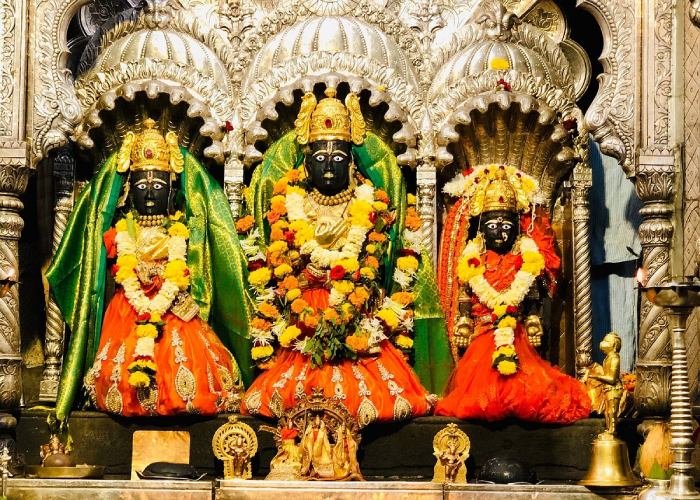
The temple’s name “Kalaram” refers to the black idol of Lord Ram made from a single piece of stone. The structure was commissioned by Sardar Rangarao Odhekar in the 18th century and remains one of the finest examples of black basalt temple architecture in India.
But here’s the shocking reality: Until the early 20th century, Dalits were not allowed inside the temple premises, reinforcing caste hierarchies.
This became one of the most well-documented Kalaram Temple controversies in history.
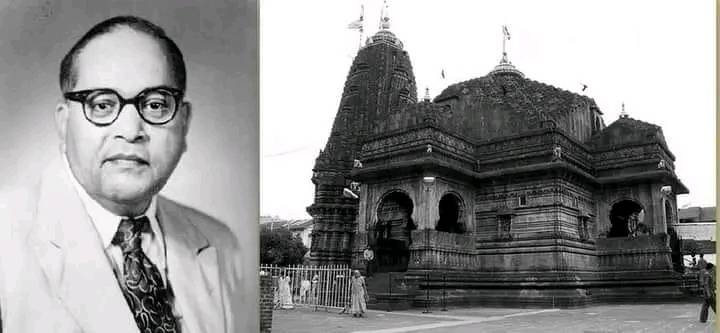
2. Dr. B.R. Ambedkar’s Protest in 1930: A Civil Rights Landmark
Perhaps the most famous controversy around Kalaram Temple occurred in 1930, when Dr. B.R. Ambedkar led a peaceful protest demanding entry for Dalits.
This event, known as the Kalaram Temple Entry Satyagraha, was a key moment in India’s social justice movement.
- Thousands marched from Nashik city to the temple.
- Despite non-violence, they were denied entry and met with resistance from upper-caste priests.
- This led to long-term reforms but also deepened caste tensions in Nashik.
Even in 2025, this protest is remembered as a sacred yet shocking part of Kalaram Temple controversies.
3. Dalit Protests and Political Clashes Continue in 2025
Though legal rights have improved, caste-based tensions still simmer.
- In April 2025, a local Dalit youth group staged a symbolic march to the temple on Ambedkar Jayanti.
- Their goal? To highlight the need for inclusive religious leadership.
- This stirred debates across Maharashtra, with both support and backlash flooding social media.
These ongoing tensions prove that Kalaram Temple controversies are not just historic they’re still evolving.

4. Mythological Truths & Spiritual Significance You Might Not Know
Despite its controversies, Kalaram Temple remains spiritually powerful.
- It’s believed to be the exact location where Lord Rama spent part of his exile.
- Panchvati, where the temple is located, is also the site of Sita Haran (abduction of Sita) in Ramayana.
- The idol of Rama is said to have appeared in a local’s dream, prompting Odhekar to excavate it from the Godavari River.
These sacred truths continue to draw believers from across India even if some feel spiritually alienated due to historical bias.
5.Caste Lines Inside the Temple: A Silent Reality
Even though legally abolished, social segregation still subtly exists inside the temple:
- Separate lines for priests vs. general devotees.
- Upper-caste priests dominate religious discourse and temple management.
- In 2024, a proposal to allow SC/ST priests was shot down by traditionalists.
This quiet segregation is a shocking reality that reflects how Kalaram Temple controversies have modern layers too.
6. Social Media & Public Awareness in 2025
Thanks to Instagram reels and YouTube shorts, Kalaram Temple has gone viral in 2025 but not always for spiritual reasons.
- Hashtags like #KalaramTruths and #TempleApartheid trend on Dalit activist pages.
- Influencers document the beauty and bias inside the temple, making young audiences aware of the historic caste divide.
Modern-day activism has transformed Kalaram Temple controversies into digital debates with both education and misinformation on the rise.

7. Future of Kalaram Temple: Heritage or Headache?
The Nashik Smart City Mission has proposed a ₹30 crore beautification and infrastructure development plan around Panchvati and Kalaram Temple.
But even this has been controversial:
- Locals fear the project will gentrify heritage sites.
- Some allege that rituals are being commercialized to attract tourists instead of devotees.
So the question remains in 2025: Will Kalaram Temple continue as a sacred site of resistance and history, or become just another tourist spot?
Final Thought: Reconciling Faith and Fairness
The Kalaram Temple stands as a paradox a place of deep faith and deep-rooted injustice. While many worship here daily with sincerity, Kalaram Temple controversies remind us that spiritual spaces are not immune to social flaws.
As Nashik modernizes, this temple becomes a symbol of the need to balance tradition with transformation. Understanding its full history—both sacred and shocking is crucial for anyone who seeks to know the real Nashik in 2025.