
The phrase “HAL Tejas Nashik Hub” is fast becoming synonymous with India’s aerospace ambitions. What was once a conventional manufacturing unit in Nashik’s Ozar has now emerged as a linchpin in India’s combat aviation ecosystem playing a pivotal role in the production of the Tejas Mk1A fighter jet, the upgrading of the Su-30MKI, and preparing the stage for next-generation fighters like AMCA and potentially the Su-57E.
This transformation has brought with it seven powerful breakthroughs, but also a set of hidden setbacks that define the hub’s story in 2025.

1. First Tejas Mk1A Rolls Off the Nashik Line — A Defining Milestone
In June 2025, HAL’s Nashik division rolled out its first Tejas Mk1A fighter jet. This was more than just a delivery; it was a proof of operational readiness, showing that Nashik is now firmly in the driver’s seat of India’s fighter jet production.
Why It’s a Big Deal:
This event comes at a time when India’s defence modernization depends heavily on timely deliveries of advanced indigenous jets.
The rollout proves HAL Nashik’s success in transitioning from Su-30 overhaul to full assembly-line manufacturing of new-gen jets.
Industrial Impact:
The plant, previously known for maintaining and upgrading Russian-origin Su-30MKIs, now moves into high-end aviation assembly, representing a technological leap for the Nashik region.
2. Production Capacity — Scaling Up to Meet IAF Demand
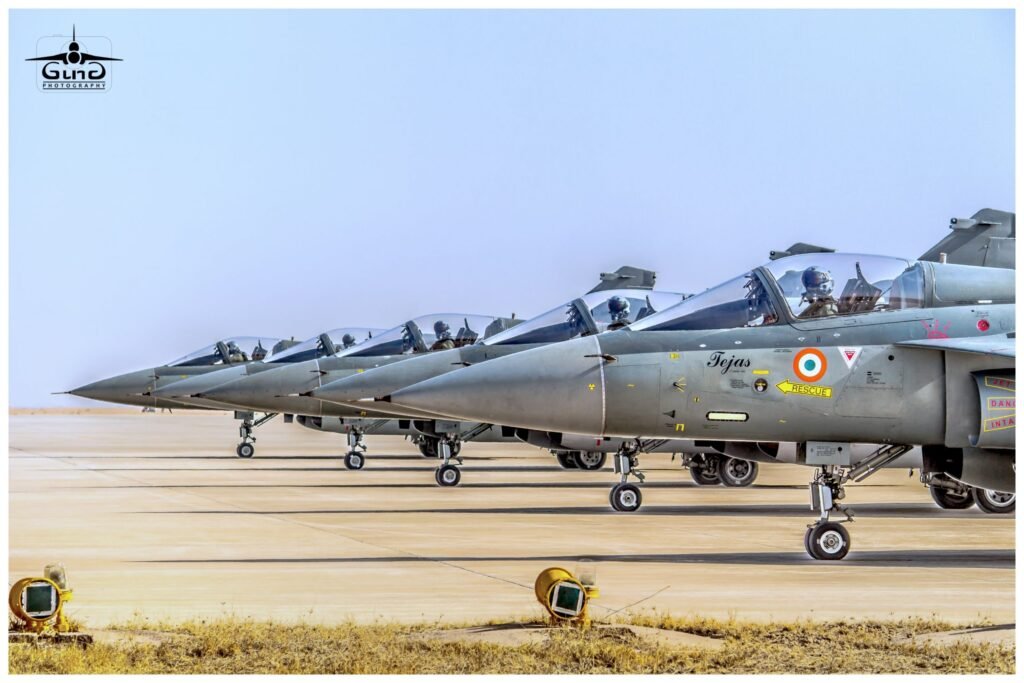
The HAL Tejas Nashik Hub was designed to manufacture 8 Tejas Mk1A jets annually. When combined with HAL’s two production lines in Bengaluru, the total annual capacity rises to 24 jets per year.
This production ramp-up is critical because the Indian Air Force (IAF) has ordered:
- 83 Tejas Mk1A jets in the initial order (contract signed in 2021).
- Potential follow-up orders of 97–150 more jets, making the long-term demand close to 240–300 aircraft.
Next Milestone:
HAL has announced plans for a fourth assembly line by mid-2026, possibly at Nashik again, to raise total output to 30+ jets per year, fast-tracking delivery schedules and minimizing dependency on foreign imports.
3. Mk1A Variant: The Star of Indian Aviation
The Tejas Mk1A isn’t a rehash of its predecessors. It’s an entirely improved combat system featuring:
- Active Electronically Scanned Array (AESA) Radar — for advanced targeting and tracking.
- Digital Fly-by-Wire Flight Control System — critical for maneuverability.
- Electronic Warfare Suite — self-protection against missiles and radar.
- Aerial Refueling Capability — for extended missions.
- Modular Build — enabling faster servicing and part replacement.
The Nashik plant is responsible for full integration and quality checks, ensuring that these state-of-the-art components function seamlessly.
4. Nashik as a Dual-Use Hub — Beyond Just Tejas
The HAL Tejas Nashik Hub is not limited to Tejas alone.
It’s Also Involved In:
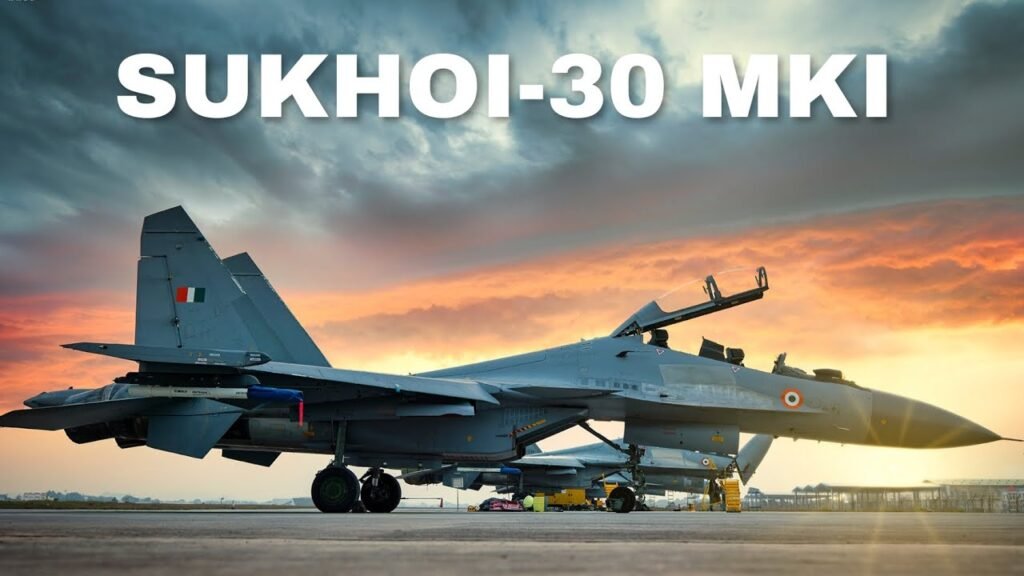
- Su-30MKI Upgrade Program: Modernizing the IAF’s backbone fleet.
- AMCA Preparation: Laying the groundwork for India’s 5th-generation stealth fighter.
- Future Su-57E Production (Potentially): There have been quiet diplomatic whispers about Nashik potentially assembling Russia’s Su-57E variant under export license.
This diversification of military aircraft capabilities means that Nashik is becoming a multi-platform defense production zone, helping HAL balance near-term needs with long-term capability.
5. Regional Impact: Nashik as India’s Jet Engine Capital
The rise of the HAL Tejas Nashik Hub is transforming the local economy:
- Direct employment: Thousands of skilled and semi-skilled workers have joined or trained at Ozar.
- Vendor ecosystem: HAL has partnered with over 200 MSMEs in Maharashtra for components, electronics, and logistics.
- Training centers and ITIs: Nashik is seeing a surge in aerospace training programs to feed the plant’s talent needs.
The city is evolving into a strategic defense cluster, rightfully earning the title of “India’s Jet Engine Capital.”
6. Setback #1: Supply Chain Disruption — Especially Jet Engines
Despite the progress, HAL Tejas Nashik Hub has faced a significant roadblock: engine supply delays.
Root Cause:
The Mk1A relies on the GE F404-IN20 engine, imported from the U.S.
Global geopolitical tensions, including U.S. export restrictions and logistical constraints, have led to unpredictable delivery schedules.
Impact:
- Production stalls at Nashik despite assembly readiness.
- Delivery deadlines to the IAF threatened.
- Ripple effects on other lines, including Bengaluru, due to centralized engine supply.
This challenge has sparked serious conversations around localizing jet engine production — including the long-delayed Kaveri engine project and the new GE-F414 engine transfer agreement.
7. Setback #2: Vendor and Parts Coordination Bottlenecks
While HAL has done well with assembly, component production remains fragmented.
Major Issues:
Varying standards across component suppliers.
Late deliveries from private vendors.
Cost escalations due to import dependencies.
This mismatch between assembly schedules and vendor supplies has resulted in:
- Idle workstations
- Increased costs
- Risk to the “just-in-time” model HAL is trying to emulate
Unless vendor integration is tightened, this could undermine the entire scale-up plan.
8. Setback #3: Export Performance Still Elusive
Despite its success domestically, Tejas has struggled internationally.
Countries like Argentina, Egypt, and Malaysia have shown interest, but:
- Concerns around production delays
- Lack of a proven track record
- Delays in weapons certification for NATO allies
These factors keep pushing Tejas export deals into limbo.
For Nashik to play a key role in exports:
- Production lines must be predictable and timely.
- HAL must offer global-standard support infrastructure.
What’s Next for the HAL Tejas Nashik Hub?
A. Fourth Assembly Line in Pipeline
Expected by mid-2026, this line will:
- Take Tejas output beyond 30/year
- Support future export orders
- Act as a buffer against delays
B. Engine Localization Agreements
India recently signed a deal with GE for local production of the F414 engine (for AMCA), which could set the stage for domestic engine assembly by 2027–28 in Nashik or Tamil Nadu.
C. Nashik as AMCA & Su-57E Manufacturing Hub
As Nashik proves itself with Tejas, HAL is exploring:
- Next-gen AMCA integration
- Potential license-built variants like the Su-57E
Summary: Why the HAL Tejas Nashik Hub Matters in 2025
| Metric | Status |
|---|---|
| First Mk1A Rolled Out | ✅ June 2025 |
| Current Output | 8 jets/year |
| Target Output (2026) | 30+ jets/year |
| Engine Issues | Ongoing |
| Local Vendor Integration | Partial |
| Export Readiness | In Progress |
| AMCA Readiness | Under development |
| Strategic Role | Jet engine capital of India |
FAQs
Q1. What is HAL Tejas Nashik Hub?
Q2. Why was Nashik selected for the Tejas Mk1A?
Q3. How many jets can Nashik produce?
Q4. What delays are affecting HAL Tejas Nashik Hub?
– Vendor inconsistencies
– Export integration delays
Q5. What’s the future of the Nashik plant?
Final Take
The HAL Tejas Nashik Hub is not just a factory it’s the epicenter of India’s defense aviation future. From first jet rollouts to potential AMCA integration, the story of Nashik is one of transformation, resilience, and strategic ambition. But to become truly world-class, it must confront and conquer its hidden setbacks head-on.