

Introduction
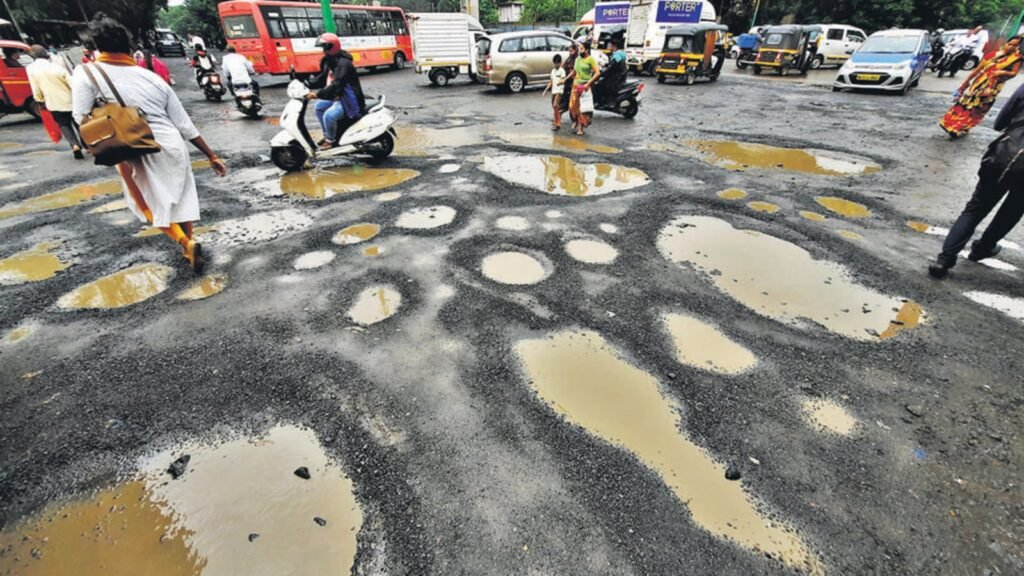
The Nashik potholes problem has become one of the most pressing civic issues in the city. What once started as a seasonal inconvenience has transformed into a chronic crisis that affects the daily lives of lakhs of residents. Whether you are driving, biking, or walking, navigating Nashik’s roads has become a test of endurance, patience, and even safety. During the monsoon season, the condition worsens drastically as potholes multiply and deepen, often turning roads into hazard zones.
As one of Maharashtra’s fastest-growing cities, Nashik is home to expanding residential areas, industrial zones, and thriving tourism. But all this development is overshadowed by deteriorating road conditions. From missed meetings and damaged vehicles to life-threatening accidents, Nashik potholes are impacting the city in visible and invisible ways. This blog explores the causes, effects, and potential solutions to this ongoing infrastructure crisis.
– Understanding the Root Causes
Despite its reputation as a progressive urban center, Nashik’s road infrastructure suffers from several long-standing problems. The primary cause behind the Nashik potholes issue lies in a mix of substandard construction practices, poor maintenance, and systemic delays. Here’s a breakdown of the key factors:
1. Substandard Materials and Workmanship
Many roads in Nashik are constructed using low-quality materials, which may cut initial costs but fail under monsoon conditions. Improper layering, absence of water drainage systems, and weak asphalt binding contribute to roads deteriorating within a single season.
2. Waterlogging and Drainage Failures
Water is the enemy of road longevity. With poor or clogged drainage systems, rainwater accumulates on road surfaces, weakening the base and forming cracks. These cracks quickly evolve into potholes with consistent traffic pressure.

3. Lack of Preventive Maintenance
Pre-monsoon checks and repairs are either delayed or skipped due to budgetary constraints or mismanagement. As a result, small cracks that could have been easily sealed become major potholes within weeks.
4. Slow and Temporary Repairs
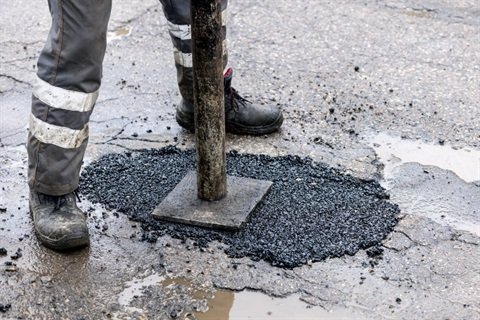
Even when repairs are undertaken, they’re often temporary. Patchwork solutions using loose gravel or tar last just a few weeks, causing Nashik Potholes to reappear and even widen with time.
– Day-to-Day Impact on Citizens
The Nashik potholes issue affects everyone drivers, cyclists, pedestrians, and even emergency services. The impact is physical, economic, and psychological.
1. Increased Travel Time
With roads full of potholes, drivers are forced to slow down, detour, or reroute. A typical 20-minute commute can now take 40 minutes or more.

2. Vehicle Damage and Financial Strain
Nashik Potholes Suspension damage, tire wear, wheel misalignment, and broken shock absorbers are common vehicle issues reported by Nashik residents. Repair costs for these problems can run into thousands of rupees, affecting both individual finances and commercial logistics.
3. Accidents and Road Safety Concerns
Many two-wheeler accidents have been directly attributed to potholes, especially during rains when they are hidden beneath puddles. Sudden swerves to avoid potholes often lead to collisions.
4. Impact on Emergency Services
Ambulances and fire trucks cannot afford delays, yet poor roads affect their response time. There have been documented cases where ambulances arrived late due to traffic jams caused by Nashik Potholes -ridden roads.
5. Public Frustration and Stress
Continuous exposure to bad roads adds to commuter stress, causes physical discomfort, and results in declining public trust in local governance.
– The Worst-Hit Areas in Nashik
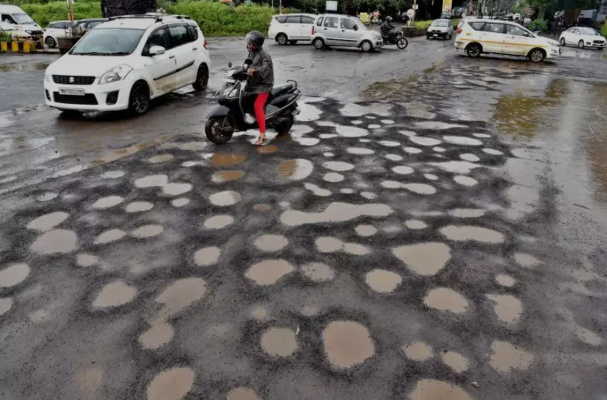
While potholes are spread across the city, some areas suffer more due to heavy traffic or lack of redevelopment. Here’s a list of the most affected regions:
- Gangapur Road: A busy residential and educational hub
- College Road: Known for commercial activity and office commuters
- Ambad and Satpur MIDC: Industrial zones with heavy goods traffic
- Mumbai Naka and Nashik Road: Main city entry points, always congested
- Pathardi Phata: A rapidly growing residential zone with underdeveloped infrastructure
These areas have consistently been flagged on social media and in citizen reports for poor road conditions.
– Public Reaction and Civic Engagement
Citizens have taken to digital platforms like X (formerly Twitter), Instagram, and Reddit to highlight the Nashik potholes issue. Hashtags like #NashikPotholes and #FixOurRoads are trending during the monsoon months. Residents post images, tag the Nashik Municipal Corporation (NMC), and demand accountability.
– Local Activism:
Protests in Ward 16 made headlines when residents blocked roads with banners reading, “We Need Roads, Not Craters.” In another instance, schoolchildren held a street awareness drive with posters showing how potholes impact their school commute.
Such movements not only attract attention but also pressure local bodies to act swiftly.
– The NMC’s Response and Limitations
The Nashik Municipal Corporation acknowledges the problem but cites limitations like funding, contractor delays, and monsoon unpredictability. Measures they have announced include:
- Mobile app for pothole complaints
- Hot-mix road technology for major roads
- Emergency repair teams during monsoon
- Drone surveys for road inspection
However, many residents argue these are reactive rather than proactive steps.
– The Economics of Potholes
Potholes may seem like small holes in the ground, but their economic impact is massive:
- Loss of fuel efficiency: Vehicles consume more fuel on bad roads
- Repair costs: Both private and public vehicles suffer wear and tear
- Business losses: Delays in delivery or commuting affect local businesses
- Healthcare burden: Accidents and physical strain add to medical expenses
A comprehensive audit of the cost of Nashik potholes would likely reveal losses in crores annually.
-What Needs to Change?
xperts believe that solving the Nashik potholes crisis requires a multi-layered approach:
1. Quality Control in Road Construction
Contracts should mandate regular testing of road material and strict penalties for failure.
2. Integrated Drainage Planning
Nashik Potholes Proper drainage systems must accompany road construction to prevent waterlogging.
3. Public Reporting Portals
An updated, real-time map of potholes reported and repaired can build transparency.
4. Annual Road Health Report
Publishing a “Road Health Index” can help citizens hold local authorities accountable.
5. Permanent Solutions Over Patchwork
Investment in long-term resurfacing and redesign is more cost-effective than constant patching.
– Learning from Other Cities
Cities like Mumbai and Pune have experimented with cold-mix pothole solutions, citizen reporting apps, and AI-driven damage detection. Nashik can adopt these innovations to stay ahead.
In Bengaluru, civic groups conduct regular audits and even volunteer for road inspections. In Hyderabad, mobile apps for live updates on road conditions have gained traction. Nashik should look outward for inspiration.
– Conclusion
The Nashik Potholes issue is a reflection of deeper structural inefficiencies in urban planning and civic administration. While authorities often blame monsoon rains or budget delays, the true cause is a lack of foresight and accountability.
Residents deserve safe, reliable infrastructure. It’s not just a matter of convenience it’s a right. By pushing for better policies, staying vocal on social platforms, and participating in local governance, Nashikkars can ensure the roads ahead are smoother literally and figuratively.