The New Face of Nashik’s Economy
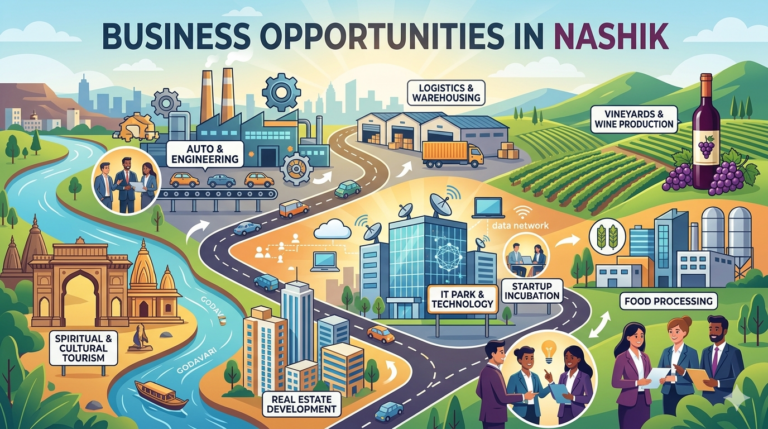
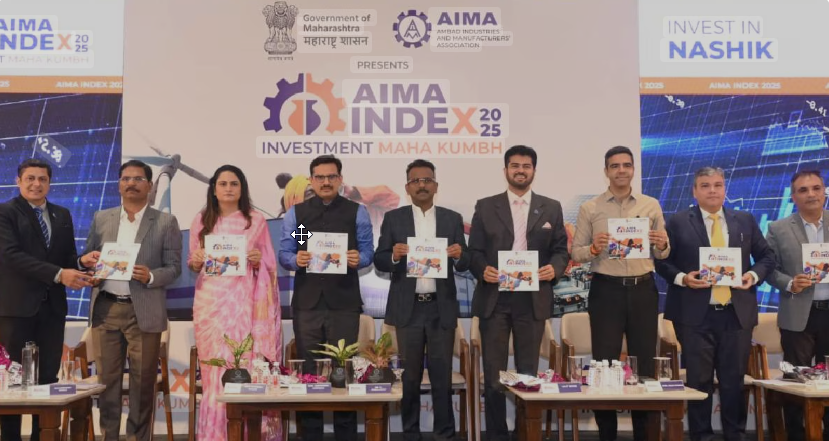
In 2025, Nashik Industrial Investments 2025 are making headlines across India. With mega projects worth over ₹5,561 crore, Nashik is being redefined as a rising hub for advanced manufacturing, renewable energy, and electric vehicle (EV) technology. Two standout projects Graphite India’s ₹4,761 crore investment in synthetic graphite anode material for EV batteries and Virtuoso Optoelectronics’ ₹800 crore venture into electronics manufacturing are expected to generate more than 1,600 jobs in the region.
While these investments showcase powerful gains, there are also hidden risks that Nashik must navigate to ensure sustainable and inclusive growth. This blog will explore seven key aspects both positive and negative shaping the city’s industrial future.
1. The Scale of Investment: A Game-Changer for Nashik
The scale of Nashik Industrial Investments 2025 is unprecedented. The combined value of ₹5,561 crore places Nashik among India’s top emerging industrial zones.
- Positive Gain: Such large-scale funding strengthens Nashik’s position in Maharashtra’s industrial corridor, diversifying its economy beyond agriculture and wine production.
- Hidden Risk: Over-dependence on a few mega projects could expose Nashik to economic shocks if global EV demand slows down or policies shift.
This duality makes it essential to balance mega investments with support for small and medium enterprises (SMEs).
2. Job Creation vs. Skill Gaps

With over 1,666 direct and indirect jobs expected, Nashik Industrial Investments 2025 promise significant employment opportunities.
- Positive Gain: Locals will benefit from steady jobs in high-tech sectors like electronics and renewable energy.
- Hidden Risk: A mismatch between industry needs and workforce skills could limit employability. Many positions will require advanced technical expertise, and Nashik’s education ecosystem will need upgrades to match demand.
To succeed, Nashik must strengthen vocational training, technical institutes, and university-industry partnerships.
3. EV Battery Revolution: Nashik’s Global Role

Graphite India’s ₹4,761 crore project to manufacture synthetic graphite anode material is pivotal for EV batteries. This positions Nashik Industrial Investments 2025 as a backbone of India’s green transition.
- Positive Gain: Nashik could emerge as a global supplier in the EV battery supply chain, boosting exports and foreign investments.
- Hidden Risk: Battery production has environmental downsides resource-intensive manufacturing and waste management challenges could strain Nashik’s ecosystem.
Balancing green growth with ecological safeguards will be critical for long-term success.
4. Boosting Electronics Manufacturing: Virtuoso Optoelectronics
Among the most promising developments under Nashik Industrial Investments 2025 is the ₹800 crore investment by Virtuoso Optoelectronics in electronics manufacturing. This project not only diversifies Nashik’s industrial portfolio beyond EV batteries and traditional sectors but also positions the city as a serious contender in India’s rapidly growing electronics ecosystem. By establishing a strong presence in this space, Nashik is aligning itself with national priorities and global market opportunities..
- Positive Gain: Electronics manufacturing is one of the core pillars of India’s “Make in India” initiative, aimed at reducing dependency on imports and boosting domestic production capacity. Virtuoso Optoelectronics’ entry into Nashik strengthens this mission by creating local supply chains, generating employment opportunities, and fostering technology-driven growth. For Nashik, the strategic advantage lies in becoming part of India’s electronics backbone, supplying not just domestic demand but also catering to export markets.The benefits extend beyond just factories. A robust electronics ecosystem encourages skill development, innovation hubs, and collaborations between academia and industry. Young engineers and technical graduates in Nashik will gain access to better career opportunities, while local SMEs can participate in component supply and value-added services. With Nashik Industrial Investments 2025, the city could emerge as a critical node in India’s ambition to become a global electronics powerhouse.
- Hidden Risk:However, the electronics sector comes with unique challenges. Global competition in this industry is extremely intense, dominated by giants from China, South Korea, and Taiwan, who enjoy cost advantages, advanced technology, and established market networks. Without consistent innovation, competitive pricing, and strong government backing, Nashik-based firms may find it difficult to compete at a global scale.Another risk is technological obsolescence. Electronics manufacturing evolves rapidly, and what is cutting-edge today may become outdated within a few years. Unless Virtuoso Optoelectronics and other players under Nashik Industrial Investments 2025 focus on research and development, they risk being left behind in an industry where speed and innovation dictate success. In addition, heavy reliance on imported raw materials or components could undermine the goal of true self-reliance if supply chain disruptions occur.
This highlights the need for research, innovation grants, and competitive tax policies.
5. Infrastructure Strain vs. Development Push
The influx of mega industries under Nashik Industrial Investments 2025 will put unprecedented pressure on the city’s infrastructure. As manufacturing hubs for EV batteries, electronics, and green technologies expand, Nashik’s demand for roads, electricity, water supply, housing, and public services will grow at a scale never witnessed before. This transformation has the potential to redefine urban living but also poses significant risks if not managed carefully
- Positive Gain: One of the most promising aspects of Nashik Industrial Investments 2025 is the push it will give to infrastructure upgrades. Expanded road networks, better public transport facilities, reliable electricity grids, and upgraded water supply systems will not only serve industries but also improve the everyday lives of Nashik’s residents. Housing development in new industrial corridors can create modern urban clusters with better amenities, while improved logistics infrastructure will boost Nashik’s role as a trade and transport hub in Maharashtra.For the general public, these infrastructure investments can translate into shorter travel times, more reliable utilities, and enhanced quality of life. Schools, hospitals, and residential complexes will likely see improvements as part of broader city planning initiatives driven by industrial requirements. Essentially, the demand generated by Nashik Industrial Investments 2025 can push Nashik toward becoming a more modern, well-connected, and future-ready city.
- Hidden Risk: However, the rapid pace of industrialization brings its own challenges. If not carefully planned, the pressure of Nashik Industrial Investments 2025 could overwhelm civic systems that are already under strain. Increased vehicular traffic around industrial corridors could lead to chronic congestion, while rising water consumption by factories may cause shortages for households and farmers. Similarly, surging demand for land and housing could inflate real estate prices, making it harder for middle-class families and small businesses to maintain affordable living and operations in Nashik.There’s also the environmental angle rapid infrastructure development without sustainable planning could lead to ecological imbalance, affecting rivers, green cover, and air quality in the long run. What was once a city celebrated for its balance between urbanization and natural beauty may risk losing that harmony if development is rushed without foresight.
To truly harness the benefits of Nashik Industrial Investments 2025, a well-planned integration of industrial zones with urban development is essential. Authorities must ensure that new industrial hubs are strategically located with supporting infrastructure like ring roads, efficient public transport, and renewable energy systems. Investments in water recycling, green housing, and smart city technologies will be vital to sustain long-term growth without overwhelming resources.
Equally important is inclusive planning residents, small traders, and farmers must be considered in Nashik’s development blueprint. By adopting a balanced approach that merges industrial expansion with sustainable urban planning, Nashik can avoid the pitfalls of chaotic growth and instead emerge as a model city where industry and community flourish together.
6. Local Economy: Rising Opportunities and Rising Costs
The ripple effect of Nashik Industrial Investments 2025 is already being felt in the local economy. Restaurants, logistics providers, rental housing, and educational institutions are gearing up for increased demand.
- Positive Gain: The most encouraging outcome of Nashik Industrial Investments 2025 is the multiplier effect it is creating for small and medium enterprises (SMEs) and service sectors. From local catering businesses that serve factory workers to transportation companies ensuring supply chain efficiency, the entire ecosystem benefits. This type of growth not only boosts direct employment but also stimulates entrepreneurship, inspiring locals to set up businesses that support the industrial boom. Such spillover effects ensure that Nashik’s economy becomes more dynamic, diverse, and resilient.
- Hidden Risk: However, every economic boom carries its own set of challenges, and Nashik Industrial Investments 2025 is no exception. Rapid industrialization is pushing up demand for housing, transport, and daily essentials. Rental prices in prime areas are already showing signs of escalation, while food and transport costs could rise as the workforce influx grows. This inflationary pressure poses a serious challenge for middle-class families who may find it increasingly difficult to afford comfortable living in Nashik. The city, once celebrated for its balance of affordability and quality of life, could risk pricing out its long-term residents if corrective measures are not introduced.
Balancing affordability with industrial growth is the crucial challenge Nashik must address. Policymakers, urban planners, and business leaders will need to collaborate to ensure inclusive growth. Affordable housing projects, reliable public transport, and subsidized services for essential goods can help mitigate the pressure on everyday citizens. Without such measures, Nashik Industrial Investments 2025 could create prosperity for some while straining the budgets of many. The true success of this transformation will depend not just on industrial growth but also on how equitably the benefits are distributed across the city’s social and economic fabric.
7. Global Recognition vs. Local Challenges
One of the most defining outcomes of Nashik Industrial Investments 2025 is the way these projects are reshaping the city’s global image. Traditionally, Nashik has been celebrated for its vineyards, religious heritage, and cultural tourism. From being India’s “Wine Capital” to hosting the sacred Kumbh Mela, the city has always been associated with tradition, spirituality, and leisure. However, the latest wave of industrial developments in electric vehicle batteries, electronics, and green technologies is pushing Nashik into a completely new category an emerging hub for global innovation and manufacturing
- Positive Gain: This transition brings enormous advantages. Global recognition for Nashik Industrial Investments 2025 is expected to draw in even more foreign and domestic investors who are keen to capitalize on India’s clean energy future. Multinational corporations, venture capital firms, and technology collaborators are more likely to view Nashik as a serious industrial destination rather than just a cultural city. Such recognition also attracts highly skilled professionals, researchers, and engineers from across India and beyond, enriching Nashik’s talent pool. Moreover, the association with cutting-edge industries like EV batteries and electronics could help the city diversify its economy and reduce over-dependence on agriculture and traditional industries.Global attention also brings secondary benefits such as improved infrastructure, better international connectivity, and the potential for knowledge exchange. For instance, collaborations with global EV players may lead to training programs, research centers, and technology parks in Nashik, enhancing both industrial capability and academic excellence. In short, the prestige tied to Nashik Industrial Investments 2025 could place the city firmly on the world map as a destination for innovation and sustainable growth.
- Hidden Risk: Yet, this recognition is not without its pitfalls. The rapid industrial transformation linked to Nashik Industrial Investments 2025 may leave behind local communities if inclusive policies are not implemented. Farmers in surrounding villages, who form the backbone of Nashik’s economy, may face challenges due to rising land prices, shrinking agricultural focus, and increased competition for natural resources such as water and land. Similarly, small traders and low-income groups who rely on affordable living may find themselves struggling with the rising cost of housing, transport, and daily essentials.There is also the risk of a widening inequality gap. While investors, skilled professionals, and industrial players may reap substantial benefits, segments of the local population could feel alienated from the new prosperity. If the benefits of Nashik Industrial Investments 2025 remain concentrated in certain sectors, resentment may grow, undermining social harmony and creating friction between traditional livelihoods and modern industries.
An inclusive growth model where industry, government, and society move forward together will define Nashik’s true success story.
– Conclusion: Nashik at a Crossroads
The story of Nashik Industrial Investments 2025 is one of powerful gains and hidden risks. On one hand, mega projects promise jobs, global recognition, and an EV-led future. On the other, they pose risks of environmental damage, infrastructure stress, and rising inequality.
For Nashik to truly thrive, it must:
- Invest in education and skill development.
- Ensure environmental sustainability.
- Expand infrastructure responsibly.
- Foster inclusivity by supporting SMEs and local businesses.
If these conditions are met, Nashik will not just be an emerging industrial hub it will be a model city balancing tradition, innovation, and sustainability in the heart of Maharashtra.
FAQs on Nashik Industrial Investments 2025
Q1. What are the major industrial investments in Nashik in 2025?
A. Graphite India’s ₹4,761 crore EV battery material plant and Virtuoso Optoelectronics’ ₹800 crore electronics project are the biggest investments.
Q2. How many jobs will Nashik Industrial Investments 2025 create?
A. Together, these projects are expected to generate over 1,666 direct and indirect jobs.
Q3. Why are these investments important for Nashik?
A. They diversify Nashik’s economy, positioning it as a hub for EV technology, electronics, and advanced manufacturing.
Q4. What are the risks associated with Nashik Industrial Investments 2025?
A. Key risks include environmental impact, skill shortages, global competition, and rising living costs.
Q5. Will Nashik become a major player in India’s EV revolution?
A. es, if it manages sustainability and innovation, Nashik could play a critical role in India’s EV supply chain.