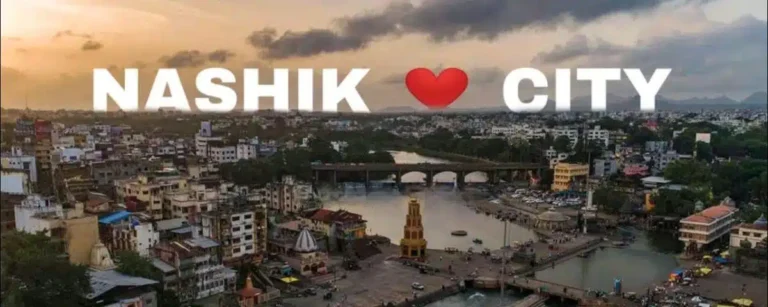
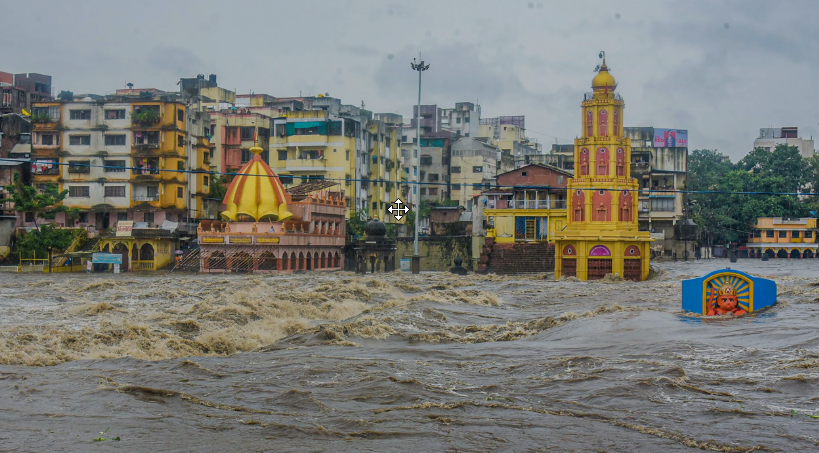
Nashik Flooding 2025 has turned into one of the most alarming urban challenges of the year. With torrential rains hitting the city harder than expected, daily life has come to a standstill. From submerged roads in Bhandi Bazaar to overflowing rivers like the Godavari and Nandini, Nashik is witnessing an environmental crisis that is both natural and man-made. The shocking waterlogging has not only exposed infrastructure gaps but also highlighted the urgent need for disaster preparedness.

Read More News Abou Nashik Flood
1. Why Nashik Flooding 2025 Became Unavoidable
The intensity of rain in Nashik this monsoon has been much higher than average. Meteorological reports suggest that the city received excess rainfall within just a few days, overwhelming stormwater drains. Nashik Flooding 2025 is not merely about heavy rains it is also about blocked drainage, encroachments on natural water channels, and unplanned urban development that left no escape routes for water.
- Excess Rainfall: IMD’s yellow alerts were issued multiple times.
- Choked Drains: Garbage and construction debris blocked flow.
- Encroached Rivers: Nandini and Godavari overflowed due to narrowed channels.
2. The Worst-Affected Areas in Nashik Flooding 2025
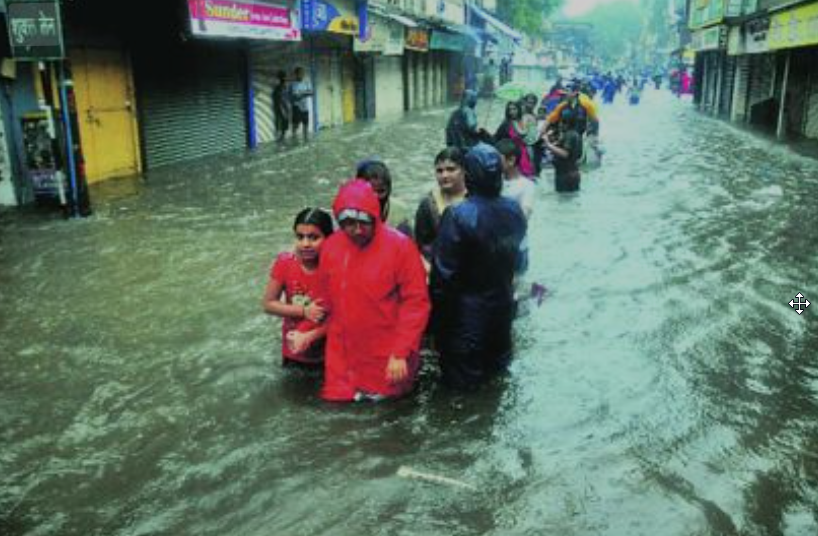
Several neighborhoods and markets have been hit hard by the waterlogging. The most shocking visuals came from:
- Bhandi Bazaar: Shops and stalls under knee-deep water.
- Panchavati Area: Overflowing Godavari river impacted roads and ghats.
- Ambad and Satpur MIDC Zones: Industrial areas faced waterlogging that halted production.
- Low-lying colonies: Local residents evacuated due to rising water inside homes.
Nashik Flooding 2025 isn’t limited to urban centers nearby villages have also seen fields submerged, further worsening agricultural losses.
3. The Rising Rivers of Nashik: Godavari & Nandini in 2025
The heart of Nashik Flooding 2025 lies in the rising rivers.
- Godavari River: Water levels rose dangerously close to bridges, some even submerged. Ramkund and Kapaleshwar areas were at high risk.
- Nandini River: Overflowing into adjacent settlements, forcing authorities to barricade roads.
- Gangapur Dam releases: Continuous rainfall led to controlled water releases that worsened downstream flooding.
The rivers that usually symbolize Nashik’s culture and heritage turned into sources of fear and displacement this year.

4. Infrastructure Failures Exposed by Nashik Flooding 2025
The shocking waterlogging revealed the fragile state of Nashik’s urban infrastructure.
- Poor Drainage Planning: Existing drains were insufficient for the rainfall intensity.
- Road Damage: Potholes and cave-ins worsened after flooding.
- Electricity Blackouts: Substations in submerged areas had to be shut down.
- Public Transport Breakdown: Buses and autos could not operate in flooded streets.
This has reignited debates about whether Nashik is prepared for mega-events like Simhastha Kumbh Mela 2027, where lakhs of pilgrims will visit the same flood-prone areas.
5. Health Risks and Hidden Dangers in Flood-Affected Areas
Nashik Flooding 2025 has brought more than visible waterlogging it has triggered hidden dangers.
- Waterborne Diseases: Typhoid, cholera, and gastroenteritis risks rise when drains mix with drinking water.
- Mosquito Breeding: Stagnant water is already a breeding ground for dengue and malaria.
- Structural Risks: Old houses and walls collapsing after soaking for days.
- Snake & Wildlife Encounters: Rising water has pushed snakes and other creatures into residential zones.
Residents fear that even after the water recedes, the after-effects of Nashik Flooding 2025 will linger for months.
6. The Impact on Businesses and Daily Life
Local businesses have faced devastating losses. Nashik’s famous markets, grape vineyards, and small industries were forced to shut down for days.
- Retail Shops: Goods worth lakhs damaged in Bhandi Bazaar.
- Industrial Units: MIDC factories halted production due to waterlogging.
- Agriculture: Farmers in nearby villages saw standing crops destroyed by continuous rainfall.
- Education: Schools declared holidays as buses couldn’t operate safely.
Nashik Flooding 2025 has shown that economic recovery will be as big a challenge as managing the disaster itself.
7. Government Response to Nashik Flooding 2025
Authorities, including Nashik Municipal Corporation (NMC), swung into action with:
- Pumping Operations: Deploying pumps to drain flooded roads.
- Rescue Teams: NDRF and Fire Brigade evacuated residents in low-lying areas.
- Shelter Homes: Temporary camps set up for affected families.
- Traffic Diversions: Police managing routes where bridges were submerged.
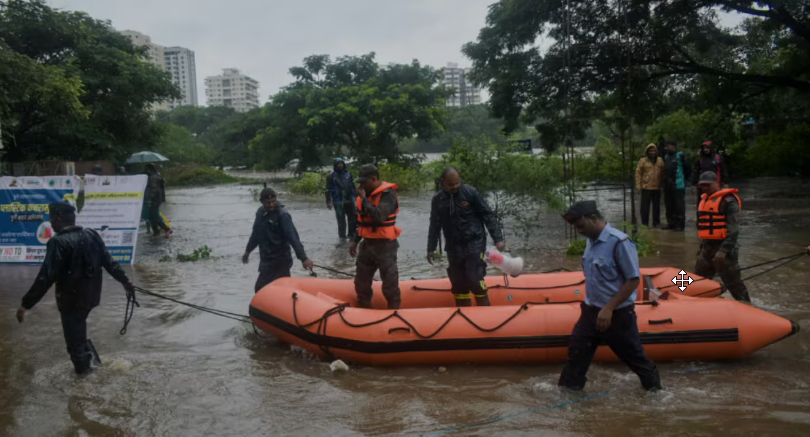
While the response was quick in some areas, many citizens complained of delayed action and lack of coordination.
8. Citizen Voices: The Human Side of Nashik Flooding 2025
Social media is filled with firsthand accounts of residents:
- Shopkeepers wading through waist-deep water to save stock.
- Families moving to relatives’ homes due to rising water inside houses.
- Farmers sharing heartbreaking videos of their submerged fields.
Nashik Flooding 2025 has become more than a climate event it is a human story of survival, loss, and resilience.
9. Lessons and Future Solutions for Nashik
Nashik Flooding 2025 teaches urgent lessons for urban planners and citizens alike:
- Stormwater Drain Upgrades: Immediate investment in wider, modern drains.
- Green Infrastructure: Parks, wetlands, and open spaces to absorb rain.
- Strict Encroachment Removal: Clearing natural river pathways.
- Early Warning Systems: Better flood alerts using digital technology.
- Citizen Awareness: Avoiding garbage dumping in drains, community cleanup drives.
These steps could prevent Nashik Flooding from becoming a yearly nightmare.
Conclusion: A Wake-Up Call for Nashik
Nashik Flooding 2025 has exposed the city’s vulnerabilities like never before. What began as heavy rain turned into shocking waterlogging, rising rivers, and hidden dangers for thousands of families. It is a reminder that while climate change is unpredictable, urban preparedness is a choice. If Nashik learns from this year’s disaster, the city can build a safer and more resilient future.