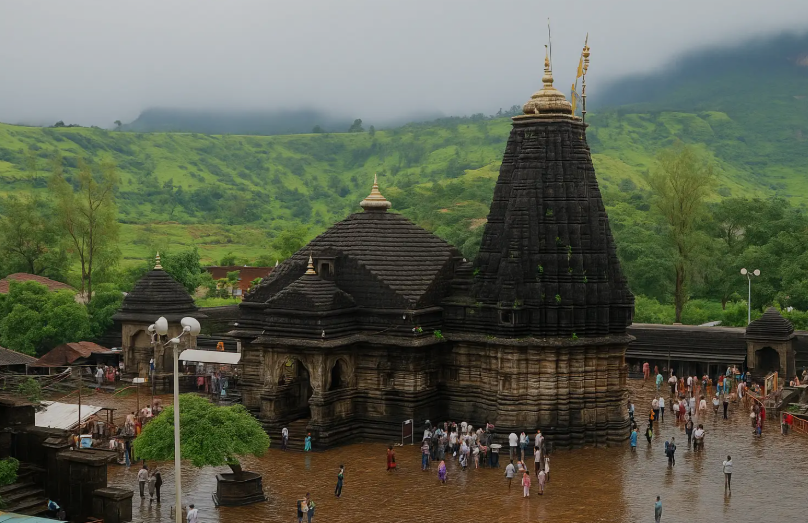
The holy temple town of Trimbakeshwar, near Nashik, made national headlines in early October 2025 when the Maharashtra government officially abolished the ₹200 vehicle entry charge. The Trimbakeshwar Entry Fee 2025 withdrawal comes as a huge relief to devotees visiting the Jyotirlinga shrine one of the 12 most sacred Shiva temples in India.
Deputy Chief Minister Eknath Shinde announced that the fee had become a point of public conflict and would be completely scrapped. The Urban Development Department confirmed that the municipality will be compensated for lost revenue. As this news spreads, the Trimbakeshwar Entry Fee 2025 story is being hailed as one of the most people-friendly religious decisions of the year.

The Incident That Sparked the Decision
The roots of the Trimbakeshwar Entry Fee 2025 policy change lie in a dramatic event. On September 20, 2025, three Nashik-based journalists were allegedly assaulted by contractors collecting the entry fee at Trimbakeshwar. The incident went viral on social media, igniting outrage among devotees and politicians alike.
Within hours, ministers Dada Bhuse and Girish Mahajan intervened. Bhuse announced that the Trimbakeshwar Entry Fee 2025 would be reviewed, while Mahajan ordered immediate suspension of the collection contract. The government recognized that the issue was eroding public trust in temple governance an especially sensitive matter ahead of the 2027 Kumbh Mela.
Political Reactions: A Race for Credit
As soon as the Trimbakeshwar Entry Fee 2025 news broke, multiple factions within the ruling Mahayuti alliance began claiming credit. Ministers from both Shiv Sena (Shinde faction) and BJP organized press briefings highlighting their “public-first” roles.
According to reports from Loksatta and Times of India, the Trimbakeshwar Entry Fee 2025 decision was driven by both political and public-relations motives. With Nashik becoming a key battleground in upcoming municipal elections, showing concern for pilgrims and local sentiment became a top priority.
For the public, though, the takeaway is clear: the Trimbakeshwar Entry Fee 2025 rollback restores accessibility and fairness for all devotees, regardless of class or vehicle type.
Understanding the Trimbakeshwar Entry Fee 2025 Policy

Before it was scrapped, the Trimbakeshwar Entry Fee 2025 mandated that every four-wheeler entering the temple town pay ₹200. This was justified as a “tourism management” charge aimed at maintaining cleanliness and crowd control.
However, over time, the Trimbakeshwar Entry Fee 2025 turned into a controversial revenue source, generating around ₹1 crore annually for the local council. Critics argued that pilgrims were being unfairly taxed just for visiting a holy site, while contractors benefited disproportionately.
After the withdrawal, the state government assured that the municipality would receive equivalent funds from the Urban Development Department to ensure civic services don’t suffer due to the loss of Trimbakeshwar Entry Fee 2025 income.
Impact on Pilgrims and Local Businesses
For millions of devotees, the Trimbakeshwar Entry Fee 2025 rollback is more than a financial relief it’s symbolic of respect toward faith and inclusivity. Families visiting from Pune, Mumbai, and Gujarat often arrive by car, and the cumulative cost of entry fees discouraged many from frequent visits.
Local shopkeepers, guides, and hoteliers are also celebrating. They believe the removal of the Trimbakeshwar Entry Fee 2025 will boost footfall, extend average visitor stays, and increase local spending during peak months like Shravan and Kartik.
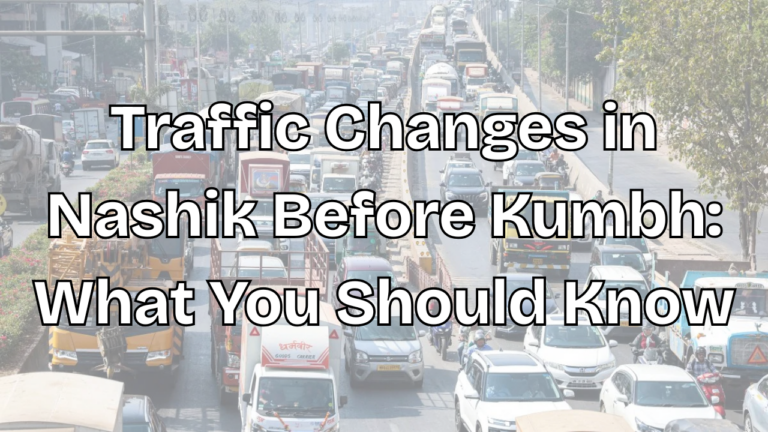
Still, the influx of more vehicles could cause congestion, which the Nashik Traffic Police and the Trimbakeshwar Temple Trust are now planning to manage through timed parking and designated drop-off zones.
Administrative & Financial Adjustments After the Fee Withdrawal
One of the major questions after the Trimbakeshwar Entry Fee 2025 withdrawal is: how will the temple town fund infrastructure maintenance?
The municipal council previously relied on entry fee revenue for road repairs, cleanliness drives, and security contracts. With the Trimbakeshwar Entry Fee 2025 gone, funding will now come directly from the state’s Urban Development budget.
Officials estimate a revenue gap of around ₹1.08 crore annually, which the state has promised to reimburse fully. This financial support ensures that essential civic functions waste collection, sanitation, and illumination around the temple remain uninterrupted despite the removal of the Trimbakeshwar Entry Fee 2025.
Linking to the Bigger Picture: Kumbh Mela 2027
The Trimbakeshwar Entry Fee 2025 decision aligns strategically with preparations for the upcoming Simhastha Kumbh Mela 2027. Massive investments are already underway to expand roads, build parking lots, and enhance sanitation across Nashik and Trimbak.
The Nashik-Trimbakeshwar Kumbh Mela Authority (NTKMA) recently announced it will appoint an independent quality inspection agency to oversee ongoing construction. The withdrawal of the Trimbakeshwar Entry Fee 2025 therefore reflects the administration’s effort to promote a pilgrim-friendly image ahead of India’s largest spiritual event.
Infrastructure Development Around Trimbakeshwar
While the Trimbakeshwar Entry Fee 2025 made headlines, another development story is unfolding in parallel. The Trimbakeshwar Municipal Council has begun acquiring land for 9 km of new roads and a Jawahar Bypass to ease congestion.
A budget of ₹275 crore has been approved for the Trimbakeshwar Pilgrim Development Plan 2025-27. The goal is to transform the area into a model pilgrimage hub with better drainage, dedicated walking corridors, and eco-parking systems. The removal of the Trimbakeshwar Entry Fee 2025 complements this mission by encouraging higher visitor inflows and public trust.
Tourism and Economic Implications
From an economic standpoint, the Trimbakeshwar Entry Fee 2025 removal can revitalize Nashik’s tourism ecosystem. According to local travel agents, bookings for weekend religious tours have already surged by 15% in the first week after the announcement.
Experts forecast that if the Trimbakeshwar Entry Fee 2025 remains abolished permanently, Nashik could see an annual rise of over 5 lakh additional visitors, particularly from neighboring states. More visitors mean stronger demand for hotels, restaurants, transport operators, and local artisans who sell pooja items.
Environmental and Traffic Challenges
Every decision has trade-offs, and the Trimbakeshwar Entry Fee 2025 removal is no exception. The absence of an entry toll may lead to higher vehicular traffic, resulting in pollution spikes and parking chaos during festivals.
To counter this, the Municipal Council plans to set up multi-level parking facilities, implement odd-even vehicle entry rules on peak days, and encourage carpooling. Nashik’s first mechanical parking facility at Raviwar Karanja is already under construction and may serve as a model for Trimbak as part of the Trimbakeshwar Entry Fee 2025 reform plan.
Digital Risks: Rise in Fake Darshan Pass Scams
Interestingly, as the Trimbakeshwar Entry Fee 2025 disappeared, online fraudsters started exploiting the chaos. Police recently uncovered a ₹50 lakh scam involving fake websites selling “VIP Darshan Passes.”
More than 5,000 devotees were deceived before arrests were made. The Trimbakeshwar Devasthan Trust has since issued official warnings and upgraded its online donation portal. Visitors are advised to rely only on the official site when booking passes or making contributions.
The Trimbakeshwar Entry Fee 2025 abolition might simplify travel logistics, but devotees must remain digitally vigilant.
Political Symbolism and Public Sentiment
Beyond economics, the Trimbakeshwar Entry Fee 2025 carries immense symbolic weight. It signals that the government values accessibility to faith over monetization. The move also neutralizes public anger following the assault incident, restoring faith in administrative justice.
Social-media hashtags like #TrimbakeshwarRelief and #EntryFeeCancelled trended across Maharashtra, showing how deeply the issue resonated. Analysts note that such populist decisions could influence Nashik’s civic elections, where the Trimbakeshwar Entry Fee 2025 story will likely feature in campaign narratives.
Future Scenarios: What Happens Next
Authorities have hinted that the Trimbakeshwar Entry Fee 2025 will not return. However, alternate funding models like voluntary donations or special parking passes may emerge to maintain infrastructure.
The government is also exploring digital-ticketing systems integrated with QR codes for better monitoring of crowd flow. These innovations, coupled with improved facilities, could make Trimbakeshwar a model pilgrimage destination by 2027.
Ultimately, the success of the Trimbakeshwar Entry Fee 2025 reform depends on balancing open access with sustainable urban management.
What Devotees Should Know Before Visiting
If you plan a pilgrimage soon, keep these quick tips in mind for a smooth visit under the new Trimbakeshwar Entry Fee 2025 rules:
- No entry tolls – You can drive directly into town.
- Official parking – Use designated parking near Peshwe Gate or new municipal lots.
- Online darshan passes – Book only via the official TrimbakeshwarTrust.com portal.
- Avoid peak hours – Early mornings or post-evening aarti are calmer.
- Stay updates-aware – Follow Nashik Police and the Temple Trust on social media for latest traffic and darshan alerts.
By following these guidelines, devotees can enjoy the benefits of the Trimbakeshwar Entry Fee 2025 cancellation while helping maintain order and , devotees can enjoy the benefits of the Trimbakeshwar Entry Fee 2025 cancellation while helping maintain order and respect for the sacred site.
Public Opinion: The Voice from Nashik
Local residents describe the Trimbakeshwar Entry Fee 2025 decision as both “timely and transformative.” Auto-drivers, small vendors, and priests say the earlier system created unnecessary tension between visitors and contractors.
“Now the atmosphere feels purer,” said one temple priest interviewed by a local channel. “The government finally heard our prayers.”
For many, the Trimbakeshwar Entry Fee 2025 story has become a lesson in how collective public outcry when peaceful and focused can lead to real administrative reform.
FAQs About Trimbakeshwar Entry Fee 2025
Q1. What is the Trimbakeshwar Entry Fee 2025?
Q2. Why was the Trimbakeshwar Entry Fee 2025 removed?
Q3. Who announced the Trimbakeshwar Entry Fee 2025 decision?
Q4. Will the municipality lose revenue due to Trimbakeshwar Entry Fee 2025 withdrawal?
Q5. Is the Trimbakeshwar Entry Fee 2025 expected to return?
Conclusion: A Turning Point in Nashik’s Spiritual Tourism
The abolition of the Trimbakeshwar Entry Fee 2025 marks a landmark moment for Nashik’s religious ecosystem. What began as a controversy has evolved into a case study in governance, accountability, and faith-based policymaking.
As infrastructure improves and the 2027 Kumbh Mela approaches, the Trimbakeshwar Entry Fee 2025 decision will stand as a reminder that administrative sensitivity can coexist with spiritual sanctity.
For devotees, it’s a victory of accessibility over bureaucracy. For Nashik, it’s another step toward becoming a globally recognized spiritual capital.