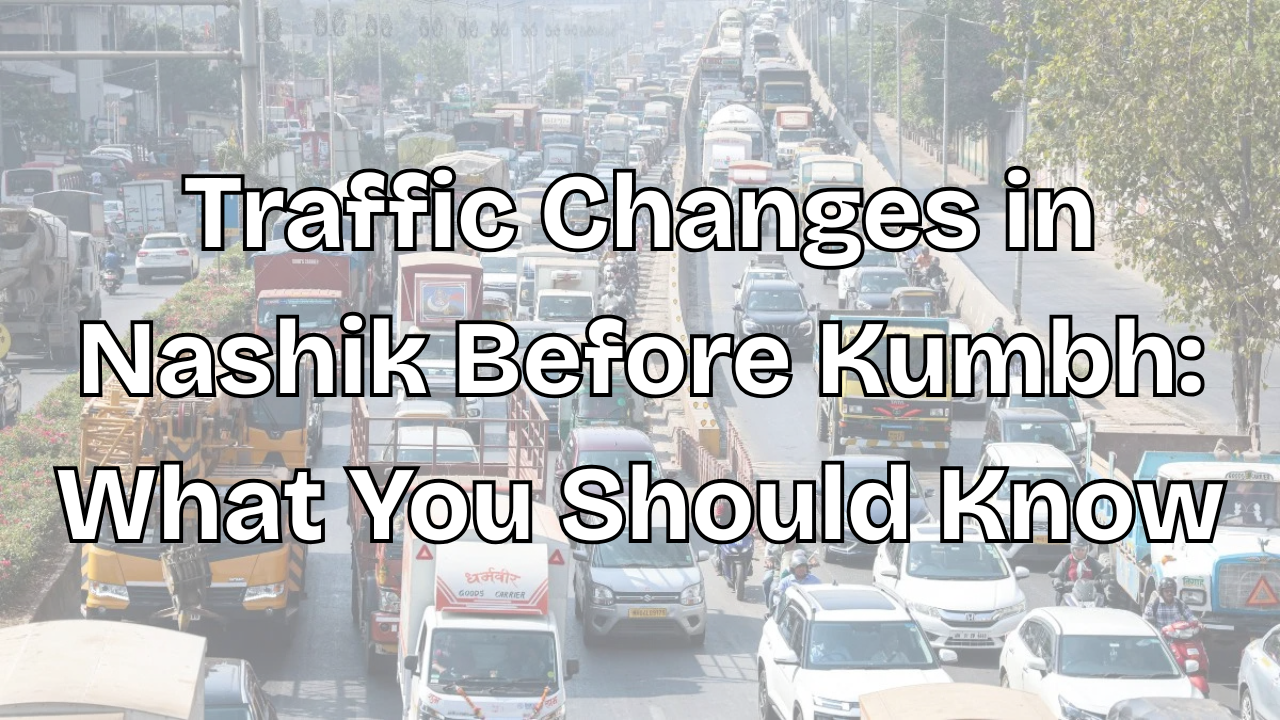
Traffic Changes in Nashik Before Kumbh As Nashik prepares for the Simhastha Kumbh Mela 2027, the city is undergoing massive infrastructure and traffic transformations. With millions of pilgrims expected, authorities are redesigning road networks, implementing smart traffic systems, and introducing diversions to ensure smooth movement.
For residents, commuters, and businesses, these changes are already visible and sometimes challenging. If you’re following Nashik event and updates, understanding these traffic changes is essential to plan your daily travel and future investments.
Why Traffic Changes Are Happening? Traffic Changes in Nashik Before Kumbh
The Kumbh Mela is one of the largest religious gatherings in the world. To manage this scale, Nashik needs:
- Better road connectivity
- Smooth vehicle and pedestrian flow
- Reduced congestion in core areas
- Efficient emergency response routes
Authorities have planned 28 major road projects to improve connectivity between highways, ghats, and key zones.
Traffic Changes in Nashik Before Kumbh These projects aim to decongest the city and create alternative routes before the event.
Major Road Development & Diversions
1️⃣ 28 Key Road Projects Across the City
The city is developing multiple new and widened roads to:
- Connect highways (Agra, Pune, Aurangabad routes)
- Improve access to Sadhugram and ghats
- Reduce pressure on central Nashik
However, some of these projects are facing delays due to utility work and funding issues.
This means temporary traffic disruptions will continue until 2027.
2️⃣ Ring Road & Outer Connectivity
The upcoming Ring Road project is one of the biggest traffic solutions.
- Diverts heavy vehicles away from city
- Reduces congestion in central areas
- Creates faster cross-city travel
It is being fast-tracked specifically for Kumbh crowd management.
In the long term, this will completely change Nashik’s traffic flow.
3️⃣ Road Widening & Construction Work
Multiple roads across Nashik are being:
- Dug for pipelines and utilities
- Expanded for higher capacity
- Reconstructed with better drainage
This has already caused:
- Traffic slowdowns
- Uneven roads
- Increased travel time
Especially in areas like Gangapur Road, Panchavati, and Nashik Road.
Smart Traffic Management Systems
To manage the expected surge in traffic, Nashik is adopting smart traffic solutions. Traffic Changes in Nashik Before Kumbh
Key Upgrades:
- 28 new traffic signals
- 90 digital message display boards
- Real-time traffic updates for drivers
These systems will:
✔ Guide vehicles through diversions
✔ Reduce congestion
✔ Provide live traffic alerts
AI-Based Traffic Monitoring
Authorities are also introducing:
- AI-based CCTV surveillance
- Automatic number plate recognition
- Centralized traffic control systems
These technologies will help monitor:
- Crowd movement
- Traffic congestion
- Emergency situations
Nashik is moving toward a smart city traffic model.
Dedicated Routes for Pilgrims
To handle the massive influx of visitors:
- Separate routes are being planned for buses
- Pilgrim transport will be diverted from main city roads
- Railway stations like Devlali and Odha will have dedicated routes
Authorities are working on alternative transport corridors to avoid congestion in core areas.
Traffic Hotspots to Watch
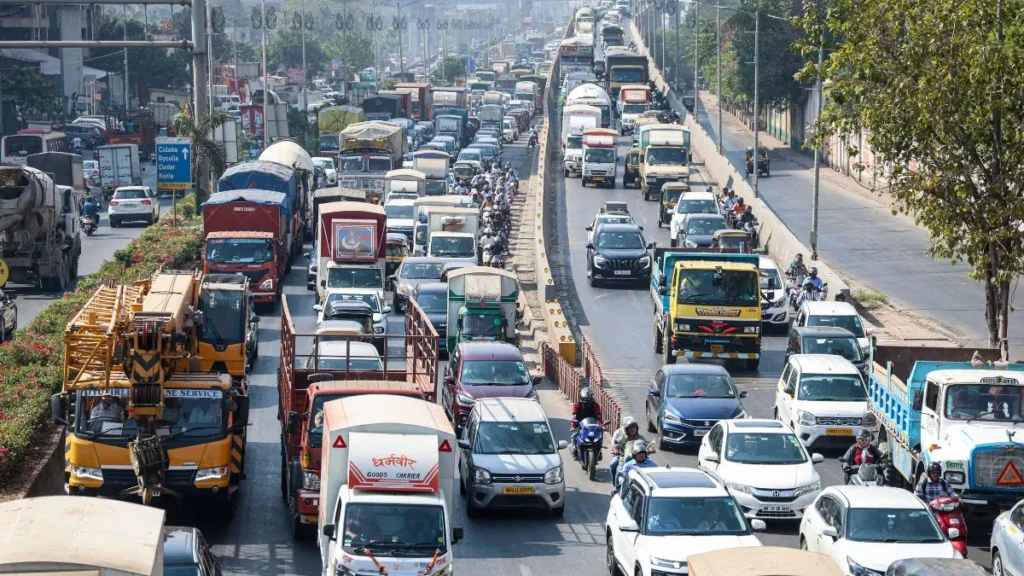
Certain areas in Nashik are expected to face maximum traffic pressure:
High Congestion Zones:
- Panchavati & Godavari Ghats
- Dwarka Circle
- Gangapur Road
- Nashik Road station area
- Trimbakeshwar Road
Additionally, areas like Sinnar Phata are already experiencing heavy congestion due to increased highway traffic.
Temporary Traffic Challenges (2026–2027)
Before Kumbh, residents may face:
- Road closures and diversions
- Traffic jams due to construction
- Longer travel times
- Frequent route changes
This is a transition phase where short-term inconvenience leads to long-term benefits.
New Traffic Planning Strategy
Authorities are working on a scientific traffic plan:
- Monitoring all city entry points
- Redesigning traffic flow patterns
- Creating pedestrian-safe zones
- Improving road design to reduce accidents
The goal is to make Nashik a “zero-accident city” in the long run.
Long-Term Benefits After Kumbh
Once projects are completed, Nashik will see:
✔ Faster travel across city
✔ Reduced traffic congestion
✔ Better road infrastructure
✔ Improved connectivity to highways
✔ Growth in outer areas
These changes will support:
- Real estate growth
- Business expansion
- Tourism development
Impact on Real Estate & Investment
Traffic infrastructure directly affects property demand.
Growth Areas:
- Ring Road corridors
- Pathardi Phata
- Adgaon
- Makhmalabad
These areas will benefit from improved connectivity and reduced congestion.
Investors tracking Nashik events and updates should watch these zones closely.
Travel Tips for Residents
To manage daily travel during this phase:
✔ Plan Alternate Routes
Avoid construction-heavy roads.
✔ Start Early
Peak hours may see heavy congestion.
✔ Follow Digital Updates
Use traffic apps and display boards.
✔ Stay Updated
Track local updates for road closures and diversions.
Future: Nashik Traffic After 2027
Post-Kumbh, Nashik will have:
- Modern road network
- Smart traffic systems
- Better public mobility
- Organized urban planning
The city is moving from unplanned traffic to structured mobility.
Conclusion
Traffic changes in Nashik before Kumbh are a result of large-scale infrastructure development aimed at preparing the city for millions of visitors. While the current situation may feel chaotic, it is part of a long-term transformation.
Short-term pain → Long-term gain
By 2027, Nashik will not only manage Kumbh efficiently but also emerge as a well-connected, modern city with metro like traffic systems.A t Tranquil Stead, we bring you the latest Nashik event and updates so you can stay informed and plan better in this rapidly evolving city.