Why Nashik is Facing Traffic Problems in 2026?
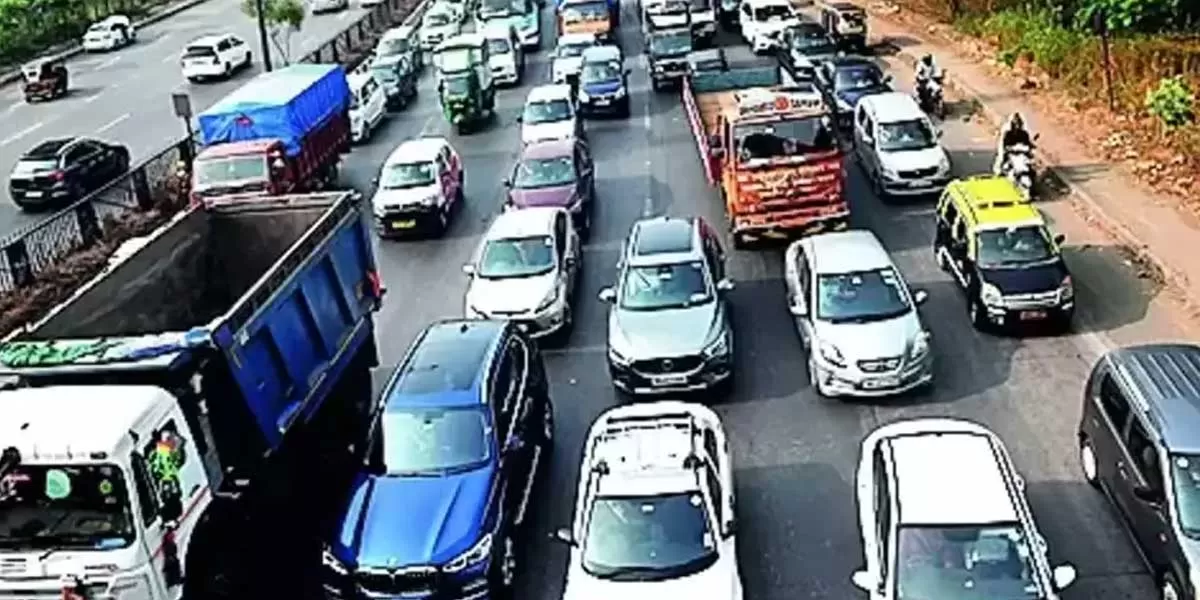
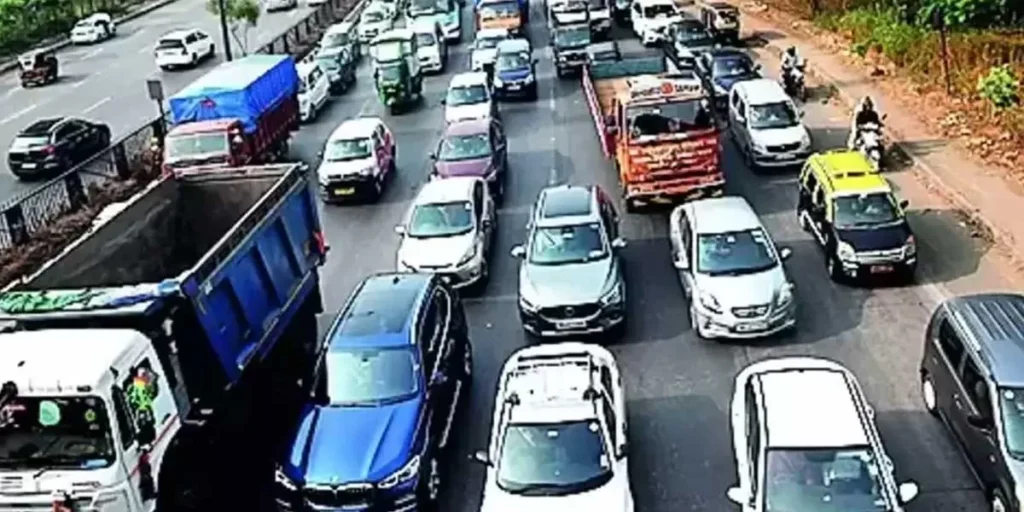
Nashik, one of Maharashtra’s fastest-growing cities, is currently experiencing serious traffic congestion issues in 2026. From daily commuters to business owners, everyone is feeling the impact of longer travel times, road blockages, and increasing stress on city roads.
But why is this happening now?
The answer lies in a mix of rapid development, rising population, and infrastructure transition.
If you’re following Nashik event and updates, understanding these causes will help you see both the challenges and the bigger growth story behind them.
1. Massive Road Construction for Kumbh 2027
The biggest reason behind traffic problems is large-scale infrastructure work happening simultaneously across the city.
- Around 28–29 major roads are under development for Kumbh preparation
- Roads are being dug for pipelines, cables, drainage, and widening
- Multiple areas are facing diversions and lane reductions
Why Nashik is Facing Traffic Problems in 2026?In fact, large-scale digging across the city has made road conditions extremely difficult, with traffic being diverted and even single-lane roads handling two-way movement
Impact:
- Heavy congestion in peak hours
- Dust, uneven roads, and delays
- Confusion due to route changes
2. Rapid Increase in Vehicles
Nashik’s growth has led to a sharp rise in private vehicles.
- Vehicle registrations increased by 15% in 2025–26
- Majority are two-wheelers and cars
The main reason?
Lack of strong public transport forces people to rely on private vehicles
3. Weak Public Transport System
Unlike metro cities, Nashik still lacks:
- Efficient bus network
- Metro or rapid transit system (still in planning stage)
- Last-mile connectivity
Because of this:
- People prefer bikes and cars
- Roads become overcrowded
- Peak-hour congestion increases
This is one of the core structural problems behind traffic issues.
4. Heavy Vehicle Movement Inside City
Another major reason is uncontrolled movement of trucks and heavy vehicles.
- Industrial zones (MIDC, Sinnar) generate heavy traffic
- Lack of proper truck terminals increases city entry
Even key highway points like Sinnar Phata are facing congestion due to truck movement and bottlenecks
Impact:
- Road blockages
- Slower traffic flow
- Increased accident risk
5. Poor Road Conditions & Potholes
Many roads in Nashik are currently:
- Dug up
- Uneven
- Filled temporarily
Repeated digging by different departments has worsened road quality, slowing down traffic and increasing accident risks
Additionally, potholes on key roads and flyovers are causing vehicles to slow down, leading to long queues
Even small issues create big traffic jams.
6. Lack of Coordination Between Departments
One of the biggest hidden problems is poor coordination between civic agencies.
Examples:
- Roads dug without planning
- Pipelines damaged during excavation
- Same road dug multiple times
Recent incidents even show pipeline and gas line damage due to uncoordinated digging work
Result:
- Repeated traffic disruption
- Delayed project completion
- Public frustration
7. Traffic Bottlenecks at Key Junctions
Certain areas in Nashik naturally face high traffic pressure:
Major Congestion Points:
- Dwarka Circle
- Nashik Road
- Panchavati
- Gangapur Road
These areas already have:
- High vehicle flow
- Limited road capacity
Even small disruptions cause large-scale traffic jams.
For example, the Dwarka–Nashik Road stretch regularly faces congestion due to vehicle overload and bottlenecks
8. Simultaneous Development Across the City
Instead of phased development, many projects are happening at the same time:
- Road widening
- Pipeline laying
- Smart city projects
- Gas pipeline installation
This has created a situation where:
Entire city roads are under construction simultaneously
9. Weather & Seasonal Impact
Monsoon worsens Nashik’s traffic problems:
- Potholes increase
- Roads become slippery
- Vehicle breakdowns block roads
Traffic on major stretches slows significantly during rains due to potholes and breakdowns
10. Lack of Advanced Traffic Planning (Yet)
Although Nashik is moving toward smart traffic systems, currently:
- Traffic signals are limited or inefficient
- Lane discipline is weak
- Manual traffic control is still common
Authorities are working on new traffic planning systems, but implementation is still ongoing
Real Reason Behind Traffic Problems
Nashik is not just facing traffic problems it is facing growth pressure.
Key Reality:
✔ Population is increasing
✔ Vehicles are increasing
✔ Infrastructure is under construction
✔ Systems are upgrading
This creates a temporary imbalance
Why Nashik is Facing Traffic Problems in 2026? Short-Term vs Long-Term Situation
Short-Term (2026–2027):
- Traffic congestion
- Road digging
- Travel delays
Long-Term (Post-Kumbh):
- Better road network
- Ring Road to reduce city traffic
- Smart traffic systems
- Improved connectivity
Impact on Daily Life
Families:
- School travel delays
- Safety concerns
Professionals:
- Late office commutes
- Increased stress
Businesses:
- Delivery delays
- Reduced customer movement
What Can You Do?
✔ Use Alternate Routes
Avoid construction-heavy roads
✔ Travel Early
Peak traffic hours are worst
✔ Stay Updated
Follow Nashik event and updates
✔ Plan Smart
Use maps and real-time traffic tools
Future of Traffic in Nashik
With projects like:
- Ring Road
- Smart traffic systems
- Road widening
- Metro Neo (planned)
Nashik is moving toward a structured traffic system
Conclusion
So, why is Nashik facing traffic problems in 2026?
Massive construction for Kumbh
Increase in vehicles
Weak public transport
Poor road conditions
Lack of coordination
But here’s the important part:
These problems are temporary but the transformation is permanent.
Nashik is in a transition phase, and once these projects are completed, the city will experience smoother traffic and better mobility.At Tranquil Stead, we bring you real insights and the latest Nashik event and updates to help you understand the city’s changing landscape.