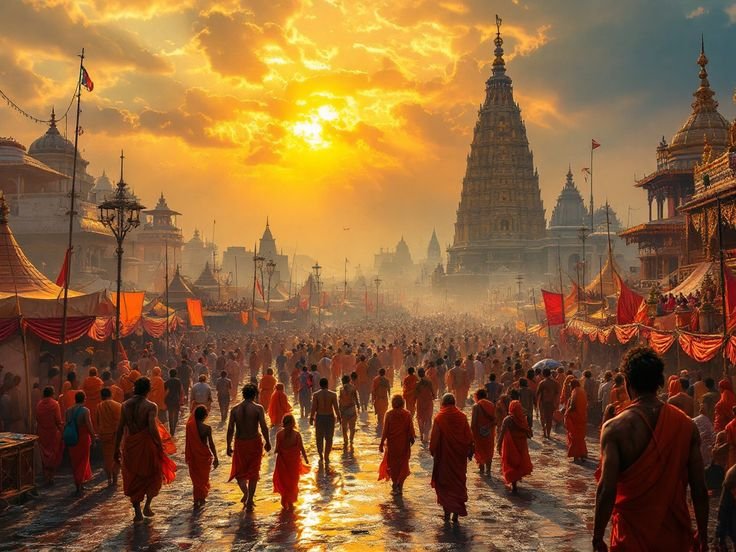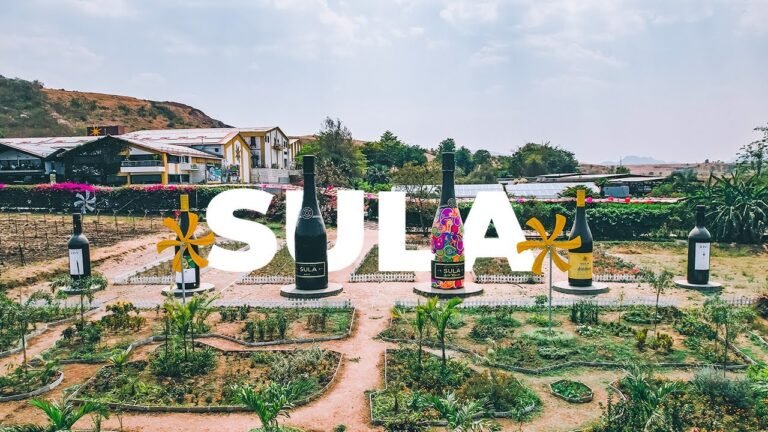
The Ganpati Festival, also known as Ganesh Chaturthi or Ganeshotsav, is one of India’s most vibrant and widely celebrated festivals. While Mumbai and Pune are often at the center of attention, the Ganpati Festival in Nashik carries a unique charm that blends devotion, tradition, culture, and unity. Known as the Wine Capital of India and an emerging metro city, Nashik transforms during Ganeshotsav into a city of lights, music, processions, and spiritual fervor.
Ganpati Festival in Nashik From small clay idols worshiped in households to massive mandals drawing thousands of devotees, Nashik’s Ganpati celebrations are a symbol of unity, devotion, and cultural pride. This blog takes you through the journey of how Nashik celebrates Ganpati from intimate home pujas to grand mandals while embracing changing trends, eco-friendly practices, and community spirit.
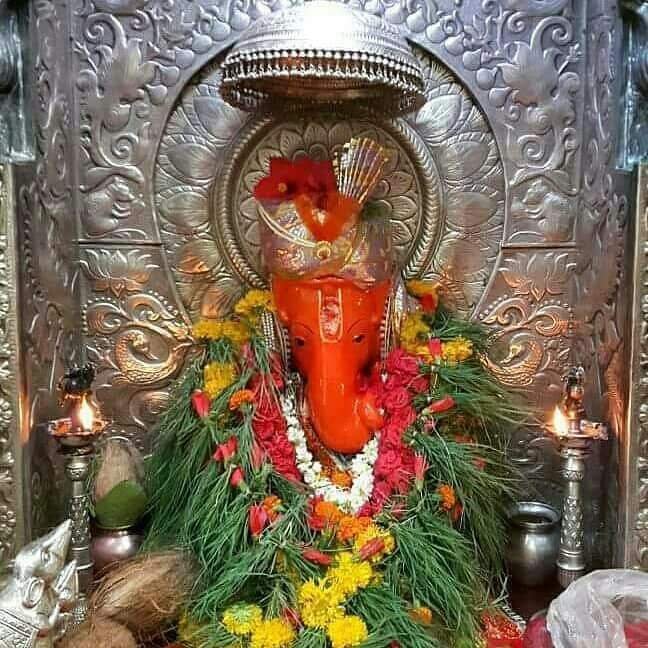
The Origins of Ganpati Festival in Nashik
The tradition of worshiping Lord Ganesha dates back centuries, Ganpati Festival in Nashik its public celebration gained momentum during the freedom struggle. Lokmanya Bal Gangadhar Tilak popularized Ganeshotsav as a public festival in the late 19th century, making it a platform for unity and cultural awakening.
In Ganpati Festival in Nashik, Ganesh worship has always been significant due to the city’s religious identity, with temples like Trimbakeshwar and Saptashrungi Devi nearby. Over time, local communities began establishing mandals and organizing public Ganeshotsavs, which became not just spiritual events but also platforms for social causes, cultural programs, and youth participation.
Ganpati at Home: A Festival of Faith and Family

For many Nashik residents, Ganpati Festival in Nashik begins at home. Families bring home idols ranging from eco-friendly clay Ganeshas to intricately decorated idols crafted by local artisans.
- Idol Installation (Sthapana): On Ganesh Chaturthi, families perform rituals, chanting mantras and offering modaks, flowers, and fruits to the Lord.
- Daily Puja & Aarti: Each morning and evening, families gather for aarti, filling homes with devotion and chants of “Ganpati Bappa Morya!”
- Unity in Homes: The celebration is not just about rituals but also about bonding, as relatives, neighbors, and friends visit each other’s homes to offer prayers.
- Homemade Delicacies: From ukadiche modak to puran poli, Nashik homes prepare a variety of sweets and snacks that add flavor to the festivities.
Ganpati Festival in Nashik For many, the home celebration signifies intimacy, devotion, and gratitude keeping alive traditions passed down for generations.
Ganpati Mandals: The Heart of Public Celebration
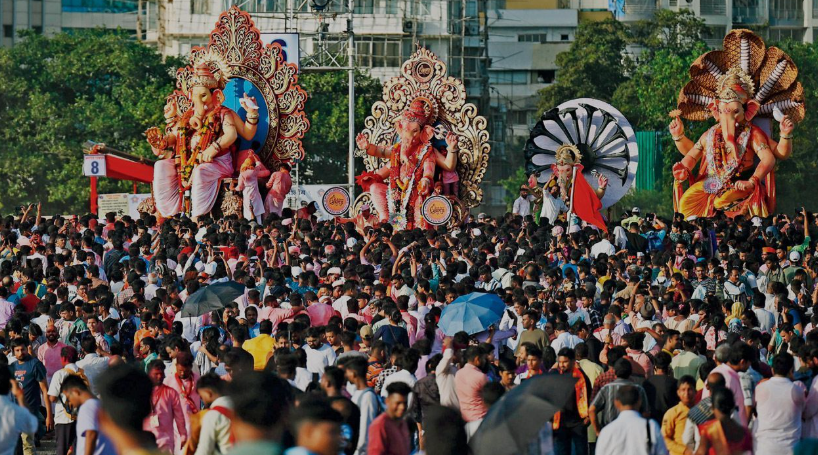
Beyond homes, the Ganpati mandals in Nashik represent the grandeur and unity of the city. These community gatherings host idols that range from a few feet tall to massive 20-foot statues, attracting thousands of devotees.
– Key Features of Mandals:
- Artistic Decorations: Themes range from mythological tales to social awareness campaigns. Some mandals recreate temples, while others use innovative eco-friendly concepts.
- Cultural Programs: Mandals organize dance, drama, music competitions, and bhajan evenings to engage people of all ages.
- Social Initiatives: Blood donation camps, tree plantation drives, and health check-up camps are increasingly being integrated into celebrations.
- Youth Participation: College students and young professionals actively engage in organizing, showcasing Nashik’s blend of tradition and modernity.
Ganpati Festival in Nashik Mandals symbolize unity in diversity as people from different communities come together to celebrate under one roof.
Famous Ganpati Mandals of Nashik

While every locality in Nashik has its unique celebration, some mandals are particularly popular:
- Raviwar Karanja Mandal: Known for its grand decorations and large-scale idols.
- Dwarka Circle Mandal: Attracts huge crowds with creative themes.
- Panchavati Mandals: Rooted in tradition, these mandals highlight mythological stories.
- College Road Mandals: Popular among youth for cultural activities and modern themes.
Ganpati Festival in Nashik These mandals are not just centers of devotion but also landmarks of celebration where thousands of devotees gather every evening.
Eco-Friendly Ganpati: A Rising Trend in Nashik
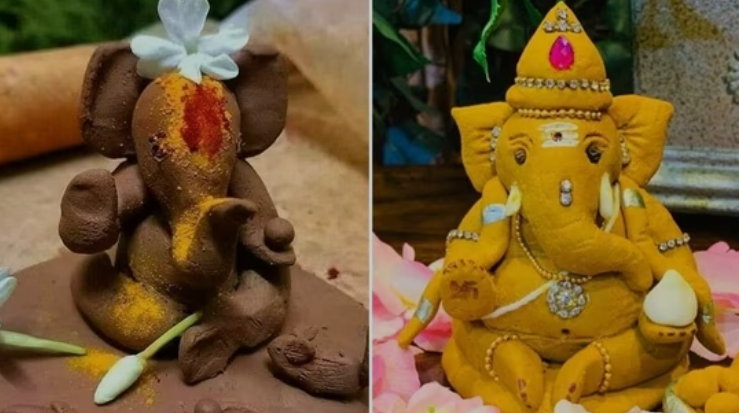
In recent years, Nashik has embraced eco-friendly Ganeshotsav. Growing awareness of environmental issues has led to:
- Clay Idols (Shadu Mati): Families and mandals are shifting away from Plaster of Paris idols.
- Natural Colors & Decorations: Use of flowers, leaves, and biodegradable materials.
- Artificial Tanks for Visarjan: To protect the Godavari river, the Nashik Municipal Corporation sets up special tanks for idol immersion.
This movement is especially popular among youth and schools, ensuring that traditions evolve in harmony with nature.
The Vibrant Processions of Visarjan
One of the most iconic sights of Ganpati Festival in Nashik is the visarjan procession. Streets come alive with dhol-tasha, lezim performances, dance, and chants of “Ganpati Bappa Morya, Pudhchya Varshi Lavkar Ya!”
- Immersion in Godavari: The river ghats, particularly Ramkund, are key locations where thousands of idols are immersed with devotion.
- Community Spirit: People join hands to manage processions, ensure safety, and support eco-friendly immersion.
- Symbolism: The visarjan represents the cycle of creation and dissolution, reminding devotees of life’s impermanence.
The grandeur of Ganpati Festival in Nashik visarjan is a perfect blend of devotion, music, and cultural pride.
Ganpati Festival and Nashik’s Economy
Ganpati Festival in Nashik is not just spiritual it has a huge economic impact on Nashik:
- Artisans & Idol Makers: Hundreds of local artists earn their livelihood during this season.
- Decoration & Event Industry: From pandals to lighting and sound systems, local businesses thrive.
- Food & Tourism: Hotels, sweet shops, and restaurants witness booming sales.
- Transport & Travel: Devotees from nearby regions flock to Nashik, boosting local transport services.
The festival contributes significantly to the cultural economy of Nashik.
Tourism During Ganpati Festival in Nashik
For visitors, Nashik during Ganpati festival offers a unique experience:
- Witnessing grand mandals and processions.
- Exploring local cuisine like misal pav, modaks, and puran poli.
- Visiting religious sites like Trimbakeshwar, Kalaram Temple, and Saptashrungi Devi.
- Touring vineyards and waterfalls nearby, blending spirituality with leisure.
The city becomes a hub of spiritual tourism and cultural exploration.
Changing Trends in Ganpati Celebrations in Nashik
Like every tradition, Ganeshotsav in Nashik is evolving:
- Digital Aartis & Live Streams: Mandals now stream aartis on social media.
- Women-Led Mandals: Women are increasingly taking leadership in organizing events.
- Themed Celebrations: Mandals highlight issues like climate change, women’s empowerment, and road safety.
- Fusion of Old & New: While traditional dhol-tasha remains, Bollywood-inspired dances are gaining space in processions.
These changes reflect Nashik’s balance between tradition and modernity.
Ganpati as a Festival of Unity in Nashik
At its heart, the Ganpati festival in Nashik is about unity.
- It brings together people of all castes, classes, and communities.
- Mandals act as platforms where youth, elders, and women collaborate.
- The festival is a symbol of collective identity, reminding everyone that devotion transcends differences.
From intimate home pujas to massive mandals, Nashik’s Ganeshotsav reflects the city’s ability to celebrate together as one.
Conclusion
The Ganpati Festival in Nashik is more than just a religious occasion it is a cultural phenomenon that connects homes, communities, and the entire city in celebration. From the quiet devotion of families to the vibrant energy of public mandals, from eco-friendly initiatives to grand visarjan processions, Nashik showcases the true essence of unity through diversity.
As the chants of “Ganpati Bappa Morya” echo across the ghats of Godavari and the bustling streets of the city, one thing becomes clear Ganeshotsav in Nashik is not just a festival, it’s a living tradition that grows stronger every year.
Why do we bring Ganpati home during Ganesh Chaturthi?
A: Bringing Lord Ganesha home is a tradition that symbolizes inviting wisdom, prosperity, and good fortune into our lives. It is believed that Ganpati removes obstacles (Vighnaharta) and blesses the household with happiness and success.
How is Ganpati celebrated in public mandals?
A: Public mandals organize grand celebrations with beautifully decorated pandals, cultural programs, devotional music, and community activities. These mandals bring people together and showcase creativity, devotion, and social harmony.
What is eco-friendly Ganpati and why is it important?
A: Eco-friendly Ganpati idols are made from natural clay and organic colors, which easily dissolve in water during visarjan without harming rivers and lakes. This helps protect the environment and promotes a sustainable way of celebrating the festival.
How long is Ganpati kept at home?
A: Ganpati is usually worshipped at home for 1.5, 3, 5, 7, or 11 days, depending on family traditions and preferences, before performing visarjan (immersion).