

Harihar Fort, perched high in the rugged Western Ghats of Maharashtra, is not just a trekkers’ challenge it’s a monument that holds centuries of forgotten tales and spine-chilling truths. The Harihar Fort history reveals a rich blend of bravery, mystery, and strategic brilliance that most people haven’t heard of, especially beyond tourist brochures.
From ancient dynasties to British skirmishes, Harihar Fort history is etched with both pride and pain. In this blog, we uncover 7 powerful legends and painful truths that define the true legacy of this architectural marvel.
For more information, Read the detailed

1. The Yadava Dynasty’s Silent Legacy
The origins of Harihar Fort history date back to the Yadava dynasty, rulers of Devagiri (present-day Daulatabad) in the 9th–12th centuries. Constructed primarily to protect trade routes passing through the Sahyadris, Harihar Fort was a strategic point to monitor the rich Nashik region.
Although overshadowed by the more famous forts like Raigad and Sinhagad, the Harihar Fort history during this period highlights early military engineering in its stone-cut steps, angled at 80°, which are still the defining feature of the fort.

2. A Maratha Marvel or Forgotten Outpost?
Many believe Harihar Fort history intersects with the great Maratha Empire, especially under Chhatrapati Shivaji Maharaj. However, there are conflicting records. While the Marathas used nearby forts like Trimbak and Bhaskargad for major operations, Harihar Fort may have served more as a surveillance post due to its commanding view.
This ambiguity adds a painful truth to Harihar Fort history that despite its architectural brilliance, it was often underutilized during pivotal moments of resistance against the Mughals and the British.

3. British Takeover and Abandonment
The British captured Harihar Fort in 1818 during their systematic annexation of hill forts across Maharashtra. Unlike other forts that were converted into garrisons or demolished, Harihar Fort was simply left to crumble.
This part of Harihar Fort history is grim the neglect shows how colonial powers dismissed indigenous architecture and historical significance. The pain of abandonment is still visible in its moss-covered ruins and decaying watchtowers.
4. The Legendary Stone Steps and the “Climb of Death”
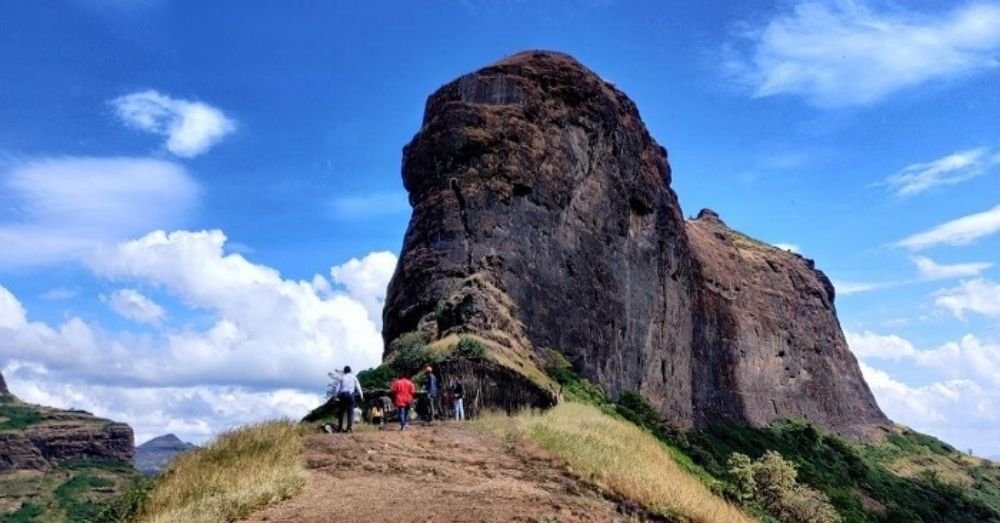
One of the most iconic aspects of Harihar Fort history is its intimidating staircase stone-cut steps that appear to hang vertically off the cliff. Locally known as the “Climb of Death,” these stairs are carved at a nearly 80° incline and remain a test of courage even today.
The engineering behind these steps reflects the ingenuity of ancient architects, who designed the fort to be easily defensible yet daunting to invaders. This section of Harihar Fort history remains etched in the memory of every adventurer who’s dared to ascend it.

5. Strategic Views and the Forgotten Trade Routes
Situated at 3,676 feet above sea level, the fort offers panoramic views of the Trimbakeshwar range and the trade routes between Nashik and the Konkan coast. The Harihar Fort history is closely tied to commerce, as it acted as a lookout point for caravans and invading forces.
This strategic value is often lost in today’s trekking narrative, but the Harihar Fort history during medieval times was all about protecting wealth, guarding passage, and asserting dominance over the region.

6. Hidden Chambers and Myths of the Underground Tunnels
Legend has it that Harihar Fort has secret escape tunnels that connect to nearby forts like Bhaskargad and Fani Hill. While not all of these tunnels have been found, local guides insist they exist and were used during sieges and emergencies.
This mystery fuels a key part of Harihar Fort history the blending of verified facts with oral myths. It reflects how history often survives through folklore when official records are silent.

7. Cultural Erasure and the Call for Conservation
Perhaps the most painful truth in Harihar Fort history is the lack of structured conservation. Despite its popularity among trekkers and heritage lovers, the fort is not protected under ASI (Archaeological Survey of India). Visitors often see litter, graffiti, and structural decay.
Preserving Harihar Fort history requires more than tourism it needs awareness, funding, and cultural revival. Without intervention, we risk losing a vital chapter of Maharashtra’s military and architectural story.
Visiting Today: The Modern Trekker’s View of Harihar Fort History
Today, Harihar Fort history lives on through the adrenaline-pumping treks organized year-round. Adventurers from Mumbai, Nashik, and Pune scale the steep stairs for the thrill and the view but few truly understand the weight of the stories embedded in the stone.
Local historians and trek guides are now working to integrate storytelling into treks to revive Harihar Fort history in the minds of visitors.

Final Thoughts: Why Harihar Fort History Still Matters
Understanding Harihar Fort history isn’t just for historians it’s for every citizen, traveler, and cultural enthusiast. The fort’s past tells us about war and peace, innovation and neglect, bravery and erasure. As Maharashtra develops, so must our appreciation of the sites that shaped its identity.
The legends are powerful, the truths are painful, but both deserve to be told.
Frequently Asked Questions (FAQs)
Q1: What is the historical significance of Harihar Fort?
A: The Harihar Fort history dates back to the Yadava dynasty and played a strategic role in monitoring trade routes in the Sahyadris. It later witnessed control shifts between the Marathas and the British, although it was often overlooked compared to other forts in Maharashtra.
Q2: Who built Harihar Fort and when?
A: Harihar Fort was originally built by the Seuna (Yadava) dynasty between the 9th and 12th centuries. It was constructed as a surveillance fort to guard trade routes in the Western Ghats, adding a vital layer to Harihar Fort history.
Q3: Did Chhatrapati Shivaji Maharaj ever use Harihar Fort?
A: While nearby forts were frequently used by Shivaji Maharaj, there is no definitive record linking him directly to Harihar Fort. However, it's believed the fort was within the broader strategic region during the Maratha rule, making it a part of indirect Harihar Fort history
Q4: Why is Harihar Fort considered a difficult trek?
A: The fort is famous for its steep, rock-cut steps angled at nearly 80 degrees, often called the “Climb of Death.” This unique feature, preserved from ancient times, adds both a thrilling and historical element to Harihar Fort history.
Q5: What’s the best time to visit Harihar Fort?
A: The ideal time is post-monsoon (September to February) when the weather is cool, visibility is high, and the landscape is lush. Trekking during these months offers the best experience to explore Harihar Fort history with safety and comfort.




Pingback: Kalaram Temple Controversies: 7 Shocking Truths