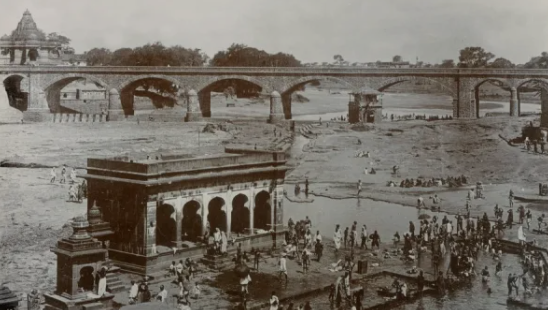

The winter of this year has brought an unexpected challenge for Nashik. Known for its pleasant climate and moderate winters, the city is now facing one of the coldest temperature spells in recent years. The Nashik cold wave has pushed minimum temperatures to record lows, disrupting daily routines, impacting agriculture, and raising concerns among farmers, residents, and local authorities.
While cold weather is not new to Nashik, the intensity and duration of this cold wave have made it a significant issue. From frost-affected crops in rural areas to health concerns in urban neighborhoods, the effects are widespread. This blog explores the impact of the Nashik cold wave on farmers, crops, and city life, while also examining long-term implications and preparedness strategies.
Understanding the Nashik Cold Wave
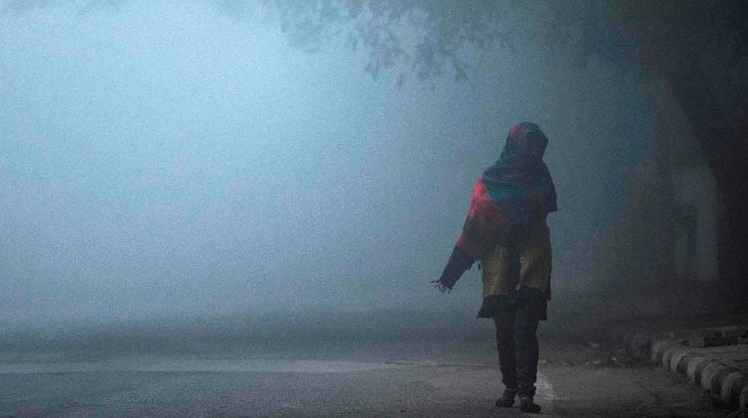
What Is Causing the Extreme Cold?
Meteorologists attribute the Nashik cold wave to a combination of factors:
- Cold northerly winds from northern India
- Clear night skies causing rapid heat loss
- Reduced humidity levels
- Western disturbances influencing regional temperatures
These conditions have resulted in sharp night-time temperature drops, especially in rural and low-lying areas of Nashik district.
How Cold Is “Too Cold” for Nashik?
Traditionally, winter temperatures in Nashik range between 10°C to 14°C. This season, however, several areas recorded temperatures below 7°C, with some rural pockets experiencing near-frost conditions. Such extremes are unusual for the region and have intensified the impact of the Nashik cold wave.
Impact on Farmers: The Most Affected Community
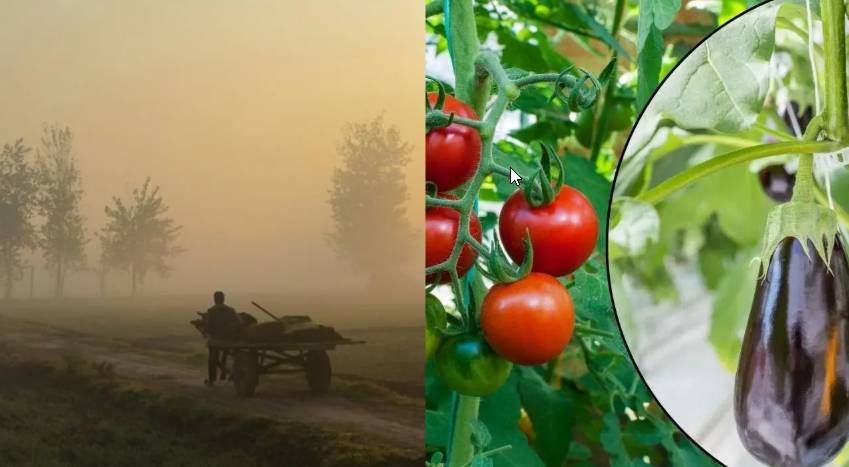
Agriculture at the Heart of Nashik’s Economy
Nashik is one of Maharashtra’s most important agricultural districts, often called the grape, onion, and vegetable belt of the state. Thousands of farmers depend on winter crops for income, making them especially vulnerable during the Nashik cold wave.
Crop Damage Due to Extreme Cold
1. Grapes
Grapes are highly sensitive to temperature fluctuations. During the Nashik cold wave:
- Frost risk increased in vineyards
- Growth cycles slowed
- Quality and sugar content were impacted
Farmers reported delayed harvesting and fear long-term yield losses.
2. Onions
Onions, another major crop, faced:
- Leaf damage due to cold stress
- Reduced bulb development
- Increased risk of fungal diseases
The Nashik cold wave has added pressure to onion farmers already struggling with market price volatility.
3. Vegetables & Pulses
Leafy vegetables like spinach, coriander, and fenugreek suffered from:
- Wilting and discoloration
- Slower growth rates
- Reduced market supply
Financial Stress on Farmers
The Nashik cold wave has created economic uncertainty:
- Increased costs for protective measures (plastic covers, irrigation)
- Fear of reduced market prices due to quality loss
- Delays in harvesting and transportation
For small and marginal farmers, even minor yield losses can lead to significant financial strain.
Preventive Measures Adopted by Farmers
To reduce damage during the Nashik cold wave, farmers are using:
- Night irrigation to prevent frost formation
- Smoke and controlled burning to raise field temperatures
- Mulching and plastic covers
- Protective netting for vineyards
However, not all farmers can afford these solutions, highlighting the need for government support.
Impact on City Life in Nashik
Daily Routine Disruptions
Urban residents are also feeling the effects of the Nashik cold wave:
- Early mornings and late evenings have become uncomfortable
- Increased use of heaters and warm clothing
- Lower outdoor activity levels
Schools, morning walkers, and street vendors have all had to adjust their schedules.
Health Concerns Rising During the Cold Wave

The Nashik cold wave has led to a rise in:
- Cold, cough, and flu cases
- Respiratory issues among senior citizens
- Joint pain and arthritis complaints
Hospitals and clinics have reported an increase in seasonal illness, particularly among children and the elderly.
Impact on Vulnerable Communities
Daily wage workers, homeless individuals, and roadside vendors are among the most affected during the Nashik cold wave. Limited access to warm shelter and protective clothing increases health risks, making winter relief efforts essential.
Economic Impact Beyond Agriculture
Local Markets & Supply Chains
Due to the Nashik cold wave:
- Vegetable supply has fluctuated
- Prices of certain winter crops have increased
- Transportation delays occurred during early morning hours
This has affected both retailers and consumers across the city.
Energy Consumption & Household Expenses
Colder temperatures have increased:
- Electricity usage due to heaters
- LPG consumption for hot water and cooking
- Overall household expenses
For middle-class families, the Nashik cold wave has meant higher winter utility bills.
Government & Administrative Response
Local authorities have taken several steps to manage the Nashik cold wave:
- Advisories issued for farmers and citizens
- Health departments on alert for seasonal illnesses
- Temporary shelters and blankets for vulnerable populations
- Agricultural officers guiding farmers on frost prevention
However, experts believe more long-term planning is needed to handle such climatic events in the future.
Climate Change & Changing Winter Patterns
Is the Nashik Cold Wave a Warning Sign?
Climate experts suggest that erratic weather patterns may become more common. The Nashik cold wave could be an indicator of:
- Increasing climate unpredictability
- Short but intense weather extremes
- Greater impact on agriculture-dependent regions
Adapting to these changes is crucial for Nashik’s sustainable growth.
Long-Term Solutions for Nashik
To better handle future cold waves, Nashik needs:
For Agriculture
- Improved weather forecasting at village level
- Crop insurance awareness and coverage
- Promotion of cold-resistant crop varieties
- Subsidies for protective farming equipment
For Urban Life
- Winter preparedness programs
- Health awareness campaigns
- Shelter facilities for vulnerable populations
- Energy-efficient housing solutions
What Citizens Can Do During a Cold Wave
Residents can reduce the impact of the Nashik cold wave by:
- Staying hydrated and warm
- Protecting children and elderly family members
- Avoiding early-morning exposure when possible
- Supporting local farmers by buying directly from markets
Community awareness plays a vital role in minimizing the effects of extreme winters.
Conclusion: A Season That Changed Perspectives
The Nashik cold wave has proven that even cities known for moderate climates are not immune to extreme weather. From vineyards and onion fields to city streets and homes, its impact has been far-reaching.
While the immediate effects include crop damage, health issues, and lifestyle changes, the bigger lesson lies in preparedness and adaptability. Strengthening agricultural resilience, improving urban planning, and raising climate awareness can help Nashik face similar challenges in the future.
As winters grow more unpredictable, the Nashik cold wave serves as a reminder that climate resilience is no longer optional it is essential.