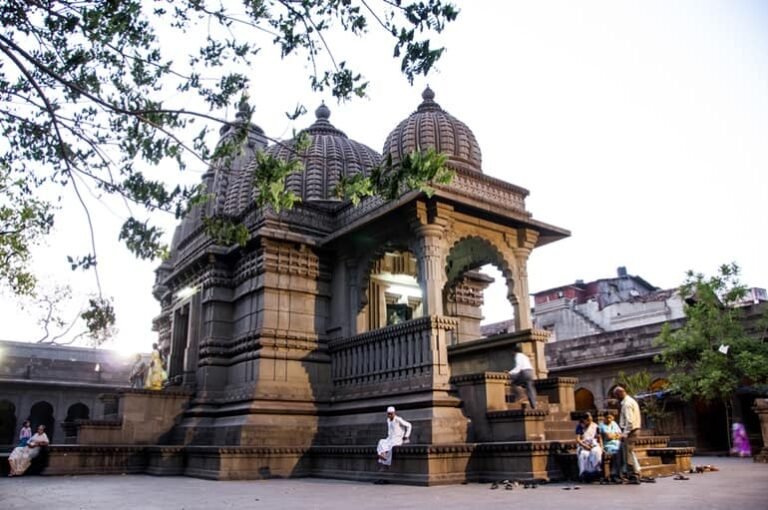
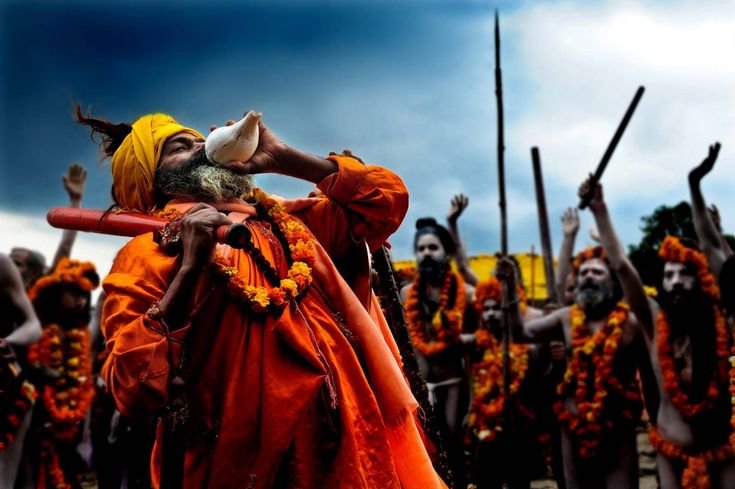
The Nashik Kumbh Mela history is more than just a tale of sacred rituals it’s a journey of divine mythology, colonial conflict, social evolution, and now, massive urban transformation. As Nashik prepares for the 2027 Simhastha Kumbh, let’s explore the ancient origins and the surprising challenges that continue to shape this mega event.

1. A Mythical Origin: Where Drops of Immortality Fell
The origin of the Nashik Kumbh Mela history is rooted in the Samudra Manthan the mythical churning of the cosmic ocean. When gods (Devas) and demons (Asuras) fought for Amrit, the nectar of immortality, a fierce chase between Lord Vishnu and the demons caused four drops of Amrit to fall on Earth—landing in Prayagraj, Haridwar, Ujjain, and Nashik.
At Nashik, the drop is said to have fallen near Kushavarta Kund in Trimbakeshwar, making it one of the four holiest pilgrimage sites in Hindu traditional
This moment not only marks the Simhastha Nashik origin, but also sets the stage for millions to cleanse their sins in the sacred waters of the Godavari and Kumbh.

2. The Akhara War: Why the Holy Bath Moved from Trimbakeshwar to Nashik
While mythology shaped the Nashik Kumbh Mela history, political and religious conflicts shaped its geography.
In the 18th century, intense violence erupted between two major Hindu sects Shaiva Naga Sadhus and Vaishnava Akharas over who had rights to the first sacred bath. After multiple deaths and riots at Trimbakeshwar, the British East India Company intervened.
As a result, the primary Shahi Snan (royal dip) was shifted from Trimbakeshwar to Ramkund in Nashik city, despite Trimbakeshwar being the actual site where the Amrit supposedly fell.
This remains one of the most painful realities of Nashik Kumbh Mela history a holy dispute splitting a pilgrimage in two.
3. The Colonial Era: Surveillance, Taxation, and Suppression
Under British rule, the Nashik Kumbh Mela was both feared and exploited by colonial authorities. Large gatherings of Indians were seen as potential sites for sedition and unrest.
British administrators imposed pilgrim taxes, monitored Sadhu movements, and sent special intelligence officers to observe gatherings. The 1897 and 1915 Melas saw tight crowd control, and in some years, bathing permissions were even limited.
Nashik Kumbh Mela history thus reflects not just faith, but also a legacy of political oppression and spiritual resistance.
4. Kumbh’s Global Rise: From Spiritual Ritual to World Tourism Magnet
Today, Nashik’s Kumbh Mela is recognized globally not just as a religious event, but a UNESCO-recognized intangible cultural heritage (2017). The 2015 Simhastha Kumbh drew over 10 million visitors, including celebrities, journalists, filmmakers, and scholars.
Luxury tent cities, multilingual signage, and international media coverage now form a new layer of experience. Yoga pavilions, organic food fairs, and spiritual discourses have turned the Mela into a festival of global consciousness.
Yet, this positive transformation also creates tension between tradition and commercialization another complex truth of Nashik Kumbh Mela history.
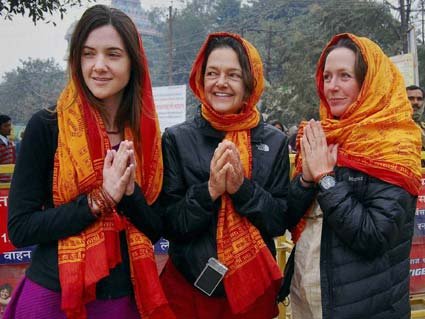
5. Godavari: Sacred Yet Suffering
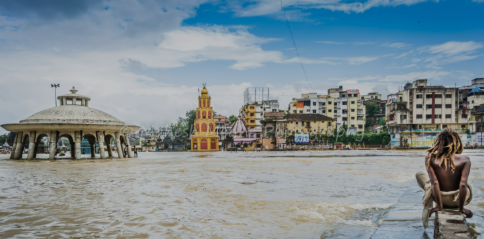
Central to the Nashik Kumbh Mela history is the Godavari River, revered as “Dakshin Ganga” (the Ganges of the South). Every pilgrim seeks salvation by bathing in its waters.
However, sewage dumping, industrial effluents, and unregulated encroachments have left the river deeply polluted. Efforts like Mission Godavari Cleaning Drive (2015) and Smart City sewerage plans have shown limited success.
Even in the holiest moments, pilgrims sometimes bathe in visibly polluted water, raising health concerns and environmental questions.
6. The 2027 Kumbh: A ₹4,000 Crore Urban Makeover
The upcoming Simhastha Kumbh Mela in 2027 has triggered massive transformation plans in Nashik. Authorities have proposed ₹4,000+ crore in civic upgrades:
- 100 crore optical fibre cable network for real-time monitoring.
- Smart toilets, LED lighting, CCTV cameras across all ghats.
- AI-powered crowd analytics and drone surveillance.
- Expanded ring roads, new parking zones, and decongested routes.
- River embankment strengthening and ghat beautification projects.
The Kumbh, once a spiritual ritual, has become an urban megaproject with its own command control center and disaster response units.
Get More Information About 2027 Kumbh Mela
The Nashik Kumbh Mela history now includes smart grids, digital dashboards, and water recycling plants a futuristic layer over its ancient core.
7. Inclusive Pilgrimage or Controlled Chaos?
Despite its spiritual glory, the Kumbh has not been free from controversy. Past Nashik Melas have faced:
- Stampedes (notably in 2003 and minor incidents in 2015).
- Gender inequality: debates over Naga Sadhvi participation.
- Caste-based restrictions and politicization of Akhara memberships.
- Environmental damage post-event: plastic waste, dug-up riverbeds.
While crores are spent on infrastructure, questions about accessibility, safety, and inclusion remain.
The truth is that Nashik Kumbh Mela history contains both uplifting moments of divine unity and uncomfortable social realities we must face.
Conclusion: Nashik’s Eternal Festival in a Changing World
The Nashik Kumbh Mela history is not just a holy tale passed through generations. It is a living narrative—constantly evolving with India’s religious sentiments, social structure, and technological capabilities.
From the drop of Amrit at Trimbakeshwar to a ₹4,000 crore Smart Kumbh in 2027, Nashik has traveled centuries in spirit and in structure. Its river flows with myths, memories, and modern machines.
In facing both its powerful truths and painful realities, we truly understand why the Nashik Kumbh Mela is more than a festival—it is India itself, at its most sacred and most complex.
FAQs – Nashik Kumbh Mela History
Q. What is the historical significance of Nashik Kumbh Mela?
It is believed that a drop of Amrit fell at Trimbakeshwar during the Samudra Manthan. This made Nashik one of the four holiest cities for Kumbh Mela, marking its divine origin.
Q. Why is there a Kumbh in both Trimbakeshwar and Nashik?
Originally held at Trimbakeshwar, conflicts between Shaiva and Vaishnava sects led the British to shift the main bathing event to Ramkund in Nashik city for safety.
Q. What role did the British play in Nashik Kumbh Mela history?
The British taxed the pilgrims, monitored the crowds for sedition, and altered traditional practices for crowd control showing the colonial impact on Indian spiritual events.
Q. What are the plans for the 2027 Kumbh in Nashik?
Over ₹4,000 crore will be spent on roads, sanitation, fibre optic internet, drone surveillance, and river management to modernize the pilgrimage experience.
Q. How polluted is the Godavari during Kumbh?
Despite efforts, pollution levels remain a concern due to high footfall, untreated sewage, and industrial runoff. Eco-friendly measures are still in progress.