

Introduction
In 2025, Nashik Public Healthcare Services stand at a critical crossroads caught between pressing challenges and hopeful reforms. Once known for long queues and inadequate facilities, the system is gradually transforming through a mix of public awareness, government action, and technological innovation. This blog takes a deep dive into the 8 most pressing issues that continue to haunt the healthcare sector in Nashik, as well as the promising strides being made to overcome them.

Read More Informations About Nashik Public Healthcare Services
1. Sad Reality: Overcrowded Government Hospitals
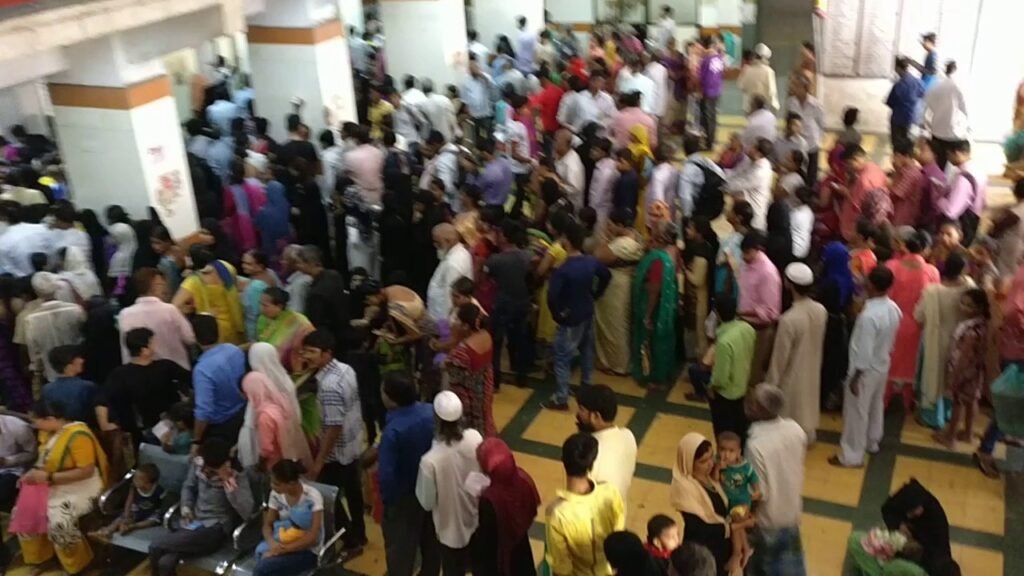
One of the glaring issues within Nashik Public Healthcare Services is overcrowding in government hospitals. With a growing population and limited expansion in infrastructure, many facilities remain overwhelmed, especially during peak illness seasons like monsoon and flu outbreaks. Patients often wait for hours to receive basic attention, which reduces the quality of care drastically.
2. Sad Reality: Doctor-to-Patient Ratio Is Still Poor
The shortage of doctors and nurses within Nashik Public Healthcare Services continues to cripple efficient healthcare delivery. Many public facilities are operating with less than the WHO-recommended doctor-to-patient ratio, putting immense pressure on existing staff and compromising treatment quality.
Uplifting Change: Recruitment Drives and Telemedicine
On a brighter note, the Maharashtra government is actively recruiting medical professionals and introducing telemedicine solutions. These new models allow Nashik Public Healthcare Services to extend basic consultation services to remote and underserved areas, especially tribal and rural belts.
3. Sad Reality: Lack of Modern Equipment
Another issue plaguing Nashik Public Healthcare Services is outdated medical equipment. Many primary health centers (PHCs) still use obsolete diagnostic tools, which results in misdiagnosis or delayed treatment. This problem is more acute in rural and semi-urban areas.
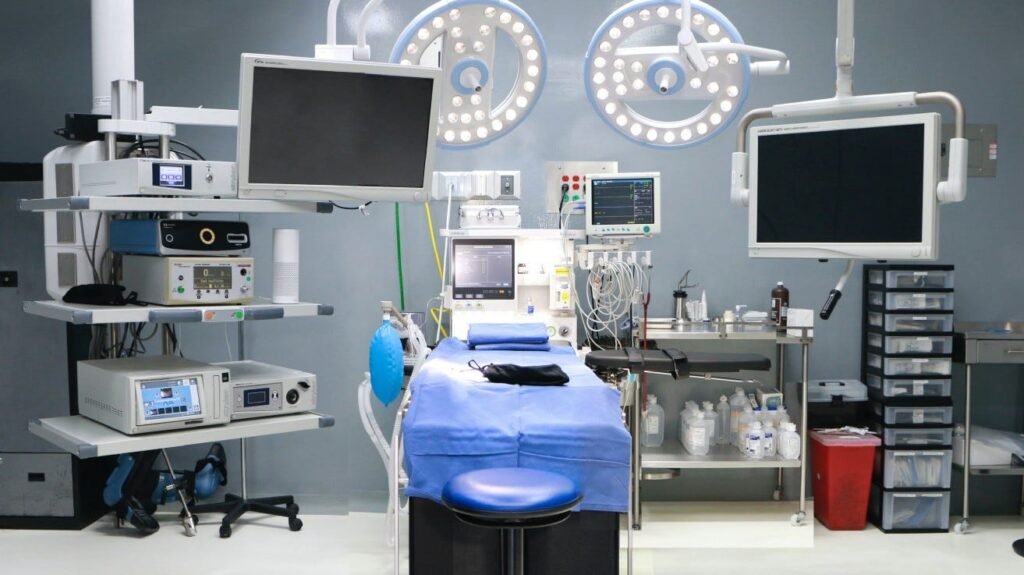
Uplifting Change: Digital Health Upgrades Underway
Fortunately, several public hospitals in Nashik are receiving digital upgrades through government-funded programs. The introduction of digital X-ray machines, automated blood testing labs, and even AI-powered triage systems is revolutionizing the technological landscape of Nashik Public Healthcare Services.
4. Sad Reality: Poor Hygiene and Sanitation in Facilities
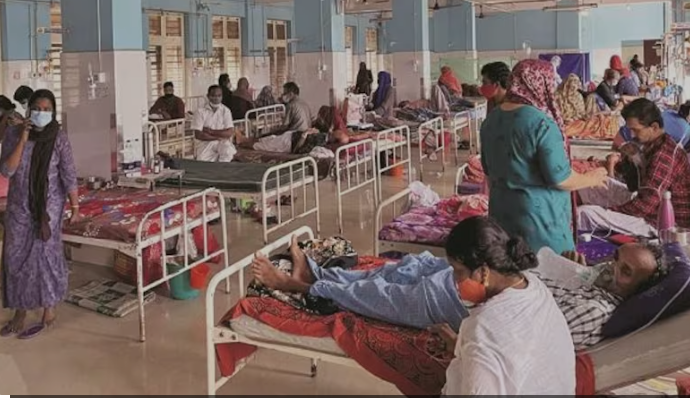
Cleanliness continues to be a major concern in Nashik Public Healthcare Services, especially in maternity wards and surgical rooms. Unsanitary conditions not only deter patients from using public services but also increase the risk of infections.
Uplifting Change: Swachh Bharat Mission’s Impact
Thanks to the Swachh Bharat Mission’s hospital-focused sanitation drive, many public hospitals have seen a marked improvement in hygiene standards. Sanitation officers have been deployed, and routine checks are now enforced more strictly. The goal is to raise the bar across all Nashik Public Healthcare Services by 2026.
5. Sad Reality: Inaccessible Healthcare in Rural Nashik
Despite significant efforts, Nashik Public Healthcare Services still fail to fully reach remote rural populations. Villages in the hilly regions of Dindori, Peth, and Trimbakeshwar often lack regular access to PHCs, making emergency care nearly impossible.
Uplifting Change: Mobile Clinics and E-Sanjeevani Boost Reach
To combat this, the government has introduced mobile medical units and the E-Sanjeevani online consultation service. These efforts are bridging the gap, extending Nashik Public Healthcare Services to areas that previously had none. Additionally, ambulances have been strategically stationed in remote blocks to ensure emergency response.
6. Sad Reality: Corruption and Red Tape in Healthcare Schemes

Beneficiaries of schemes like the Mahatma Phule Jan Arogya Yojana (MPJAY) often report delays and corruption in claim processing a major drawback within Nashik Public Healthcare Services. From forged paperwork to bribery, such issues discourage the underprivileged from availing of rightful benefits.
Uplifting Change: Digitized Scheme Portals and Grievance Redressal
To counter this, digital platforms for scheme enrollment and transparent billing are being implemented. Citizens can now track their claims, lodge complaints, and receive status updates online. These digital efforts are bringing much-needed transparency to Nashik Public Healthcare Services.
7. Sad Reality: Mental Health Still Ignored
Mental health remains a largely neglected aspect of Nashik Public Healthcare Services. Stigma, lack of awareness, and almost zero facilities in government hospitals have made it difficult for patients to receive psychological help.
Uplifting Change: Dedicated Mental Health Units Coming Up
The health department has recognized this gap and is setting up counseling units in district hospitals. Awareness campaigns in schools and workplaces are also being launched to normalize mental health discussions. This inclusion is crucial for making Nashik Public Healthcare Services more holistic.
8. Sad Reality: Medicine Shortages and Stock Mismanagement
Frequent stock-outs of essential medicines continue to plague Nashik Public Healthcare Services, especially in rural dispensaries and health centers. This forces patients to buy drugs from private pharmacies, defeating the purpose of free healthcare.

Uplifting Change: Real-Time Inventory Tracking Systems
As a solution, the government has initiated a digital inventory management system that tracks medicine stocks across all public health outlets. This data-driven approach is improving procurement and distribution efficiency, marking a new chapter for Nashik Public Healthcare Services.
Conclusion: A System in Transition
While there are undeniable flaws within Nashik Public Healthcare Services, the ongoing changes show promise. From infrastructure development and recruitment to digital innovation and rural outreach, the transformation though slow is tangible.
It’s time we acknowledge both the limitations and the strides being made. With sustained public pressure, political will, and technological aid, Nashik Public Healthcare Services can indeed become a model for other tier-2 cities in India.
FAQ:
What is the current state of Nashik Public Healthcare Services in 2025?
Nashik Public Healthcare Services face issues like overcrowding, staff shortages, and corruption, but recent reforms such as digital upgrades, mobile clinics, and better hygiene are driving positive change.
Is healthcare in rural Nashik easily accessible in 2025?
Not entirely many rural areas still lack proper access, but mobile clinics and telemedicine services are improving outreach significantly.
Are government healthcare schemes like MPJAY effective in Nashik?
While MPJAY helps many, issues like corruption and delays persist. However, digital portals are being introduced to improve transparency and access.



Pingback: Nashik vs Pune: 8 Brutal Truths and Inspiring Reasons