
In 2025, Nashik Seaplane Service is poised to rewrite the tourism script. Spearheaded by the Maharashtra Tourism Development Corporation (MTDC), this bold revival emerges after a nearly decade‑long pause. With the tender floated in April and DGCA approvals expected by August, the plan is to launch flights between Gangapur Dam and Mumbai alongside seven other scenic routes across the state
But as excitement builds, so do concerns from ecological impact to high ticket pricing. In this post, we analyze 7 game changing benefits that could turbocharge the Nashik Seaplane Service, along with 7 troubling setbacks that demand attention. Let’s dive in.
Read More Info About Upcoming Developement In Nashik
7 Game‑Changing Benefits
1. Rapid Connectivity: 90‑Minute Flights vs. 7‑Hour Road Trips
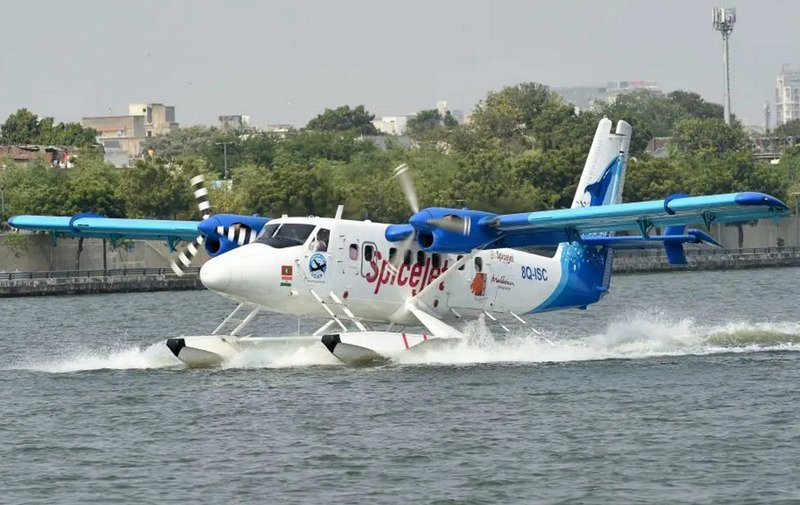
Travelers from Mumbai or Pune will love the convenience: instead of lengthy drives, the Nashik Seaplane Service promises 90-minute flights to Gangapur Dam and beyond . For weekend explorers, that’s a game‑changer.
2. Unlocking Remote Destinations
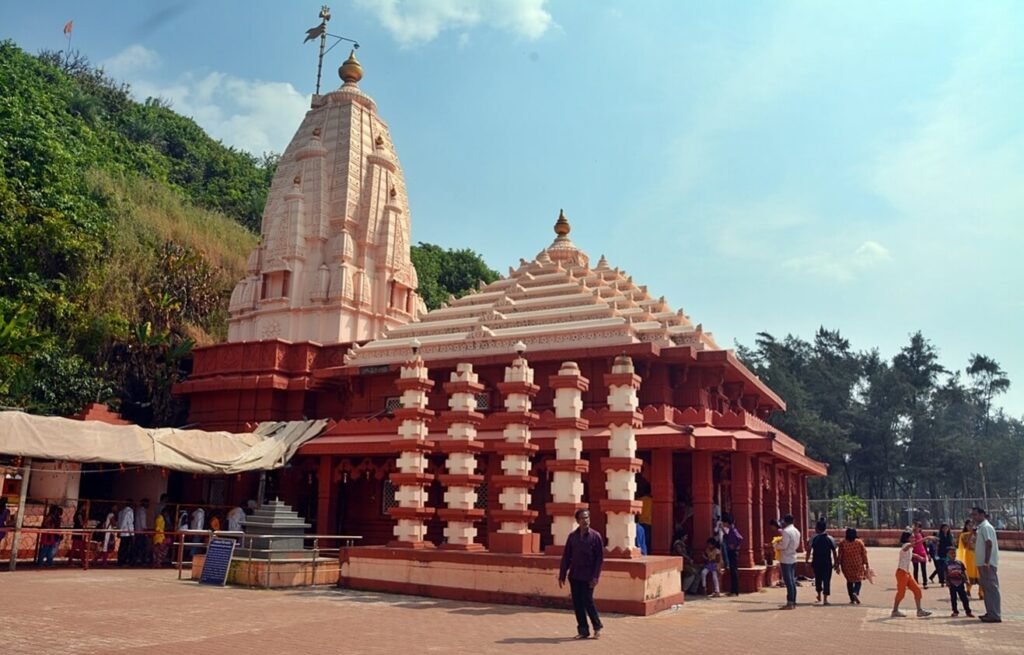
The service spans routes to Ganpatipule, Koyna Dam, Ujani Dam, Mandwa, and more. These locales, often off‑limits due to poor road access, now become premium weekend escapes and big hits on travel Instagram feeds
3. Local Economic Boom
Boosted tourism = thriving local economies. Ganpatipule could see a 20% visitor rise, generating an extra ~$10 million annually.That includes income for homestays, guides, and transport providers.
4. Adventure‑Tourism Appeal
Scenic aerial tours featuring the Ajanta‑Ellora caves and the striking Western Ghats will elevate the Nashik Seaplane Service as a luxury adventure offering. Imagine sipping chai mid‑air while floating over dams and hilltops
5. Niche High‑Value Market
The service targets high‑net‑worth travellers seeking exclusive experiences. With amphibious aircraft seating 9–19 passengers, it blends luxury with small‑group intimacy
6. Lessons from Past Failures
Unlike the rocky 2014 start (with Sahara partnership and jetty issues), the 2025 Nashik Seaplane Service builds on solid footing: collaborating with DGCA, leveraging helipads, and focusing on operator credentials
7. Strong Public‑Private Incentives
Operators can choose subsidies or revenue guarantees for up to three years boosting commercial viability for the Nashik Seaplane Service
7 Troubling Setbacks
1. High Fare vs. Market Reality
With ticket prices estimated at ₹4,000 (~$48 USD), demand could sag without strong marketing and awareness especially since 60% of Indian travelers are unfamiliar with seaplanes
2. Environmental Concerns
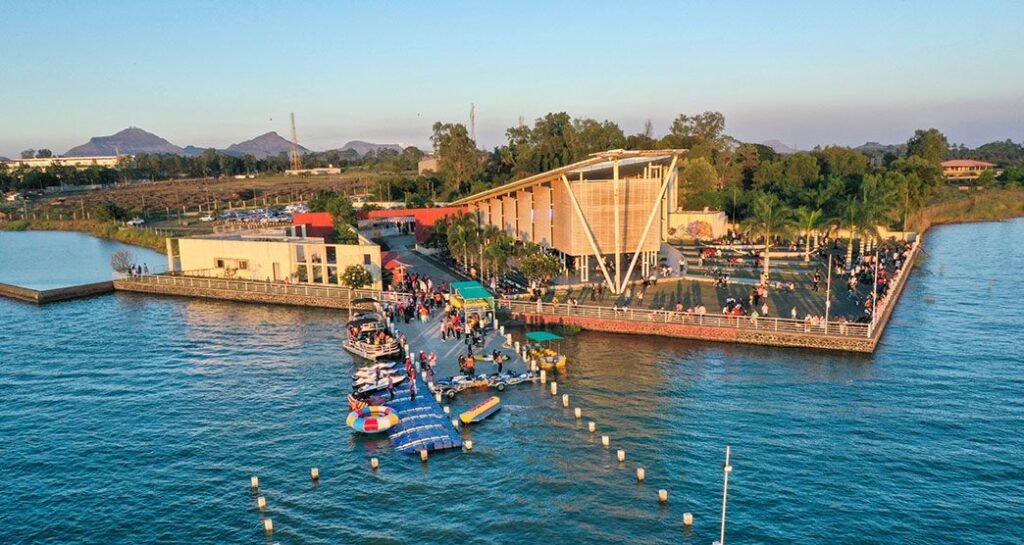
Past protests for example, in 2014 when a 9-seater seaplane landed at Gangapur Dam, sparking outcry over migratory bird disturbance and water pollution still echo today
3. Seasonal Water-Level Risks
Gangapur Dam’s boat-club was once halted for low water levels,raising red flags: will seaplanes face cancellations during dry seasons?
4. High Operating and Regulatory Costs
Infrastructure development, aircraft purchase, and compliance could push project costs to ₹466–₹490 crore. Operators may take 5–7 years to break even
5. Limited Awareness Among Tourists
Even with subsidies, domestic travelers aren’t widely informed. MTDC will need a strong education campaign to boost the Nashik Seaplane Service brand

6. Dependence on Regulatory Roadmap
Though DGCA innovations help, final approvals are expected only by August 2025. Delays could mess with tourist seasons and local credibility
7. Competition with Other Modes
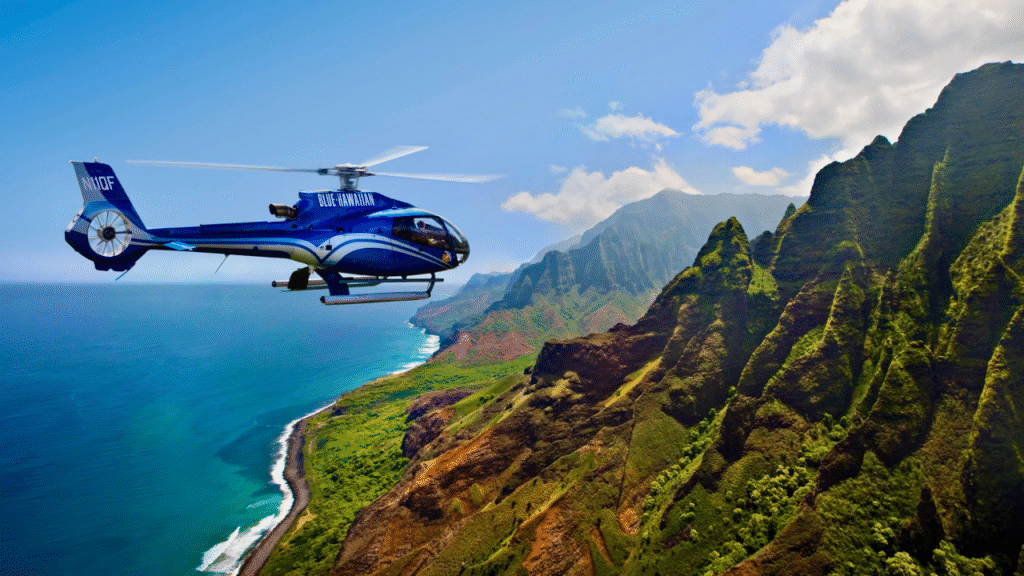
The boat club, bus safari, helicopter rides, and express highway all vie for tourist attention. The Nashik Seaplane Service must carve its own niche, especially in peak seasons.
– Quick Pros & Cons Summary
| Benefits | Setbacks |
|---|---|
| 90-min access to Mumbai/Pune | ₹4,000 fare may deter some tourists |
| Opens remote scenic spots | Environmental protests remain real |
| Boosts rural tourism (₹10M local gain) | Water-level variations may disrupt |
| High-value travel branding | High capital & regulatory expenses |
| Builds on past lessons | Need to educate travelers |
| Subsidy support enhances viability | Dependent on DGCA approvals |
| Potential to scale beyond Nashik | Faces competition from other modes |
FAQ
Q. What routes will the Nashik Seaplane Service operate?
Initial operations begin with Gangapur Dam to Mumbai, with plans for Ganpatipule, Koyna Dam, Ujani Dam, Mandwa, Panshet, and others
Q. How long will flights take?
Most trips will be around 90 minutes significantly shorter than road travel times.
Q.What’s the cost of a ticket?
Estimated at ₹4,000 (~$48). Subsidies or revenue guarantees aim to balance affordability and operator profit
Q. Are seaplanes safe?
Yes. MTDC is using 9–19 seat amphibious aircraft approved by DGCA, and operators must prove compliance.
Q. When will the Nashik Seaplane Service launch?
DGCA approvals are expected by August 2025, with tendered operations likely starting during late 2025 or early 2026.
Recommendations for Travelers & MTDC
For travelers: Plan well ahead, especially around tenders and approvals. Book flights early, follow MTDC updates, and check water-level alerts.
For MTDC & Operators: Intensify digital marketing, collaborate with eco‑tourism bodies, and ensure flexible schedules across seasons.
For local communities: Train local guides, host homestays, and promote cultural tours to maximize economic benefits.
Conclusion
The Nashik Seaplane Service symbolizes a revitalized vision for Maharashtra’s tourism—bringing speed, adventure, and novelty. With 7 game‑changing benefits, it can generate economic waves, broaden access to hidden gems, and position Nashik as a premium weekend destination.
Yet, the 7 troubling setbacks—from ecological concerns to high costs and seasonal uncertainties—mustn’t be ignored. The path forward requires balanced planning: safeguard the environment, manage fares, and bolster traveler awareness. With smart execution, Nashik could become India’s first fully integrated seaplane‑powered destination.



Pingback: Ashadhi Ekadashi in Nashik: 7 Sacred Joys and Harsh Truths