
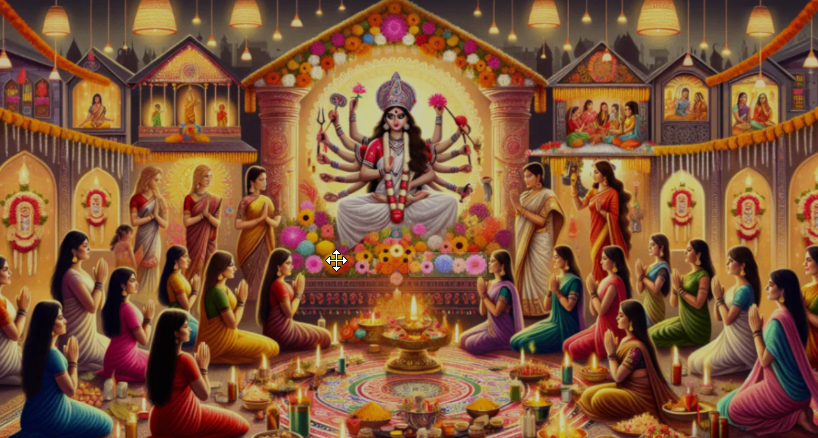
Navratri History in Nashik is one of the most vibrant and culturally significant festivals celebrated across India, and Nashik stands out as a city where this festival comes alive with unparalleled energy and devotion. The Navratri history in Nashik is deeply intertwined with the city’s religious, cultural, and social traditions, making it one of the most awaited times of the year for residents and visitors alike. From the bustling streets adorned with lights and decorations to the rhythmic beats of Garba and Dandiya echoing through community halls, Navratri in Nashik is a perfect blend of spirituality, art, and community celebration.
For centuries, Nashik has been a hub of Navratri festivities, with traditions carefully preserved and passed down through generations. The city has witnessed the evolution of Navratri from small-scale religious observances to large-scale cultural events that draw crowds from across Maharashtra and even neighboring states. The Navratri history in Nashik reflects not only the city’s devotion to Goddess Durga but also its ability to adapt to changing times, incorporating modern music, lighting, and performance techniques while keeping the spiritual essence intact.
Understanding the Navratri history in Nashik provides a window into how ancient rituals have transformed into contemporary celebrations. These traditions include elaborate Ramleela performances, which narrate the life and heroism of Lord Rama, alongside vibrant Garba and Dandiya nights that bring together people of all ages in joyful communal celebration. Beyond dance and drama, the festival also emphasizes fasting, traditional foods, and ritualistic worship, offering a holistic experience of devotion, culture, and togetherness.
Read More About Nashik Navratri

The Cultural Significance of Navratri in Nashik
Navratri, meaning “nine nights,” is dedicated to Goddess Durga and her nine avatars. The festival symbolizes the victory of good over evil, with each day marked by specific rituals, fasting practices, and vibrant celebrations. Navratri History in Nashik, with its rich religious and cultural heritage, has maintained the authenticity of these rituals while adapting to contemporary influences.
The Navratri history in Nashik reflects the city’s devotion, where people from diverse communities gather to celebrate with music, dance, and devotion. The festival is not just a religious observance but a community event, fostering unity and social cohesion.
The Legacy of Ramleela in Nashik
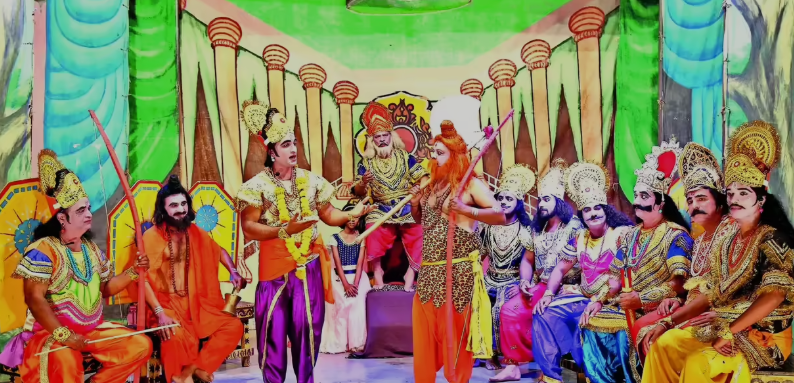
One of the oldest and most revered traditions in Nashik is the performance of Ramleela. These dramatic reenactments of the Ramayana have been performed for over 70 years in various parts of the city. Staged at temples, community centers, and open grounds, Ramleela performances depict the life and valor of Lord Rama, highlighting themes of morality, courage, and devotion.
The Navratri history in Navratri History in Nashik is incomplete without mentioning Ramleela, as it laid the foundation for public gatherings and festive performances. Families, especially children, eagerly anticipate these plays, which have evolved from simple performances to elaborate productions featuring live music, authentic costumes, and skilled actors.
Garba: From Gujarat to Nashik
Garba, traditionally originating in Gujarat, has found a profound and enthusiastic following in Navratri History in Nashik, Garba is a devotional dance performed in circular formations, symbolizing the cyclical nature of life and paying homage to Goddess Durga. Over the years, Nashik’s residents have not only adopted this tradition but have also infused it with local cultural nuances, making it uniquely Nashik-centric.
In contemporary Navratri History in Nashik, Garba events are more than just a religious expression they have become a celebration of community, music, and fashion. Streets and auditoriums across the city are transformed into vibrant arenas filled with hundreds, sometimes thousands, of dancers adorned in colorful traditional attire. Modern adaptations have introduced LED-lit venues, synchronized light shows, and live DJs, blending the devotional essence of Garba with contemporary entertainment trends.
Despite these modernizations, the spiritual core remains untouched. Devotees begin the dance by performing ritualistic prayers, often circling a decorated central idol of Goddess Durga while clapping hands in rhythm. This ritual underscores how the Navratri history in Nashik is not just about entertainment but also devotion and spiritual reflection. Today, Navratri History in Nashik symbolizes unity, energy, and a collective celebration of faith, bridging generations from the young to the elderly.
Dandiya Raas: A Colorful Addition
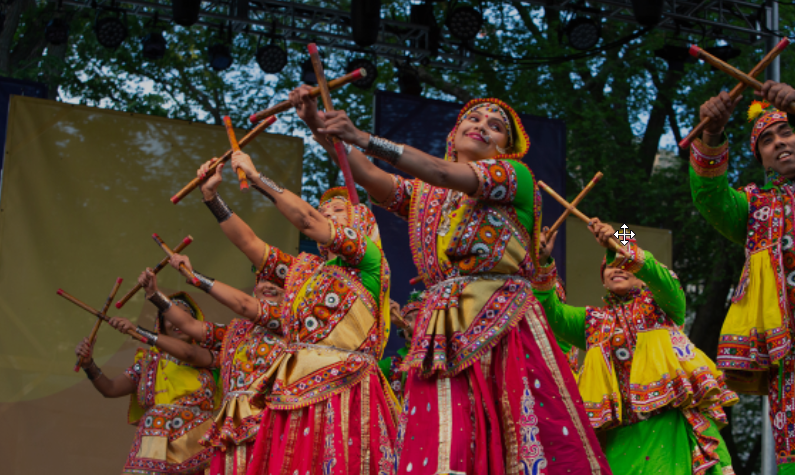
Dandiya Raas has become inseparable fromNavratri History in Nashik. This dance, characterized by rhythmic stick movements, adds both visual and musical dynamism to the festivities. Traditionally, participants use decorated wooden sticks called dandiya, striking them in precise patterns with partners to the accompaniment of live music or recorded tracks.
Navratri History in Nashik has embraced Dandiya in multiple forms. Community mandals host neighborhood-level Dandiya nights, making it accessible to everyone, while large-scale events feature professional performers, competitive rounds, and elaborate stage designs. Many events incorporate themes, costumes, and modern musical fusions, allowing for creativity while preserving tradition.
The inclusion of Dandiya Raas in Nashik reflects the city’s ability to adapt cultural practices while respecting their origins, illustrating a significant aspect of the Navratri history in Nashik. It not only fosters social cohesion but also encourages participation from people of all ages and backgrounds, making it a central highlight of the festival.
Navratri Fasting and Food Traditions
Fasting is one of the most important aspects of Navratri in Nashik. Traditionally, devotees abstain from grains, pulses, and non-vegetarian food during the nine days, consuming a limited yet nutrient-rich diet that aligns with religious observances. Staples like sabudana khichdi, kuttu paratha, singhare ke atte ke pakode, and vrat-friendly sweets dominate kitchens across the city.
In addition to personal spiritual discipline, Navratri fasting in Nashik has evolved into a cultural and social experience. Community kitchens and food stalls often serve traditional fasting foods, allowing families and friends to gather while observing rituals together. This collective culinary celebration strengthens social bonds and keeps the Navratri history in Nashik alive by passing recipes, techniques, and devotion from one generation to the next.
Fasting during Navratri is not just about restriction; it is also about celebrating mindful eating and the connection between body, mind, and spirit, a tradition that Nashik continues to honor while integrating modern health-conscious practices.
Community Events and Mandals
Mandals and community organizations play a crucial role in shaping Navratri History in Nashik. These groups are responsible for organizing Garba and Dandiya nights, arranging venues, music systems, safety measures, and even themed decorations. Beyond event logistics, mandals focus on cultural education, ensuring that young participants understand the ritualistic and historical significance of the festival.
Many mandals also incorporate competitions, workshops, and performances that encourage active participation from children and youth, preserving dance traditions while fostering creativity. The extensive planning and dedication of these community groups illustrate how Navratri history in Nashik is a living tradition, constantly evolving while staying rooted in cultural and devotional values.
Moreover, these events encourage inclusivity, drawing people from various neighborhoods, age groups, and social backgrounds, thereby strengthening the social fabric and communal spirit of Nashik during the festival.
Modern Innovations and Technology in Navratri
The evolution of Navratri History in Nashik has not been limited to dance and food; technology has also played a transformative role. In recent years, many organizers have incorporated live streaming of Garba events, AI-generated festive selfies, and social media campaigns, allowing wider participation beyond physical boundaries. People who cannot attend events in person can experience the vibrancy of Navratri History in Nashik virtually, making the festival more accessible than ever.
Online ticketing platforms for Garba and Dandiya competitions have streamlined the experience, while event apps provide schedules, venue details, and interactive maps. Additionally, social media platforms highlight trending outfits, dance performances, and highlight reels, ensuring that the energy of Nashik’s Navratri reaches a global audience.
This fusion of technology with traditional festivities marks a significant chapter in the Navratri history in Nashik, demonstrating how the city preserves its heritage while embracing modern innovations. It ensures that Navratri remains relevant to younger generations while retaining its devotional and cultural core.
Conclusion: The Enduring Spirit of Navratri in Nashik
The Navratri history in Nashik is a testament to the city’s rich cultural heritage and its people’s devotion. From the dramatic Ramleela performances to energetic Garba and Dandiya nights, Nashik’s Navratri celebrations embody a perfect blend of tradition and modernity.
By understanding these seven fascinating traditions, we can appreciate how Nashik has preserved its cultural identity while evolving to meet contemporary tastes. Whether you are a devotee, a tourist, or a cultural enthusiast, Navratri in Nashik promises an unforgettable experience, filled with music, dance, devotion, and community spirit.
Read More Updates About Nashik
Frequently Asked Questions (FAQs)
1.What is the history of Navratri in Nashik?
A. The Navratri history in Nashik dates back several decades, with traditions like Ramleela performances and community Garba gatherings. Over the years, the festival has evolved to include modern Dandiya events, themed decorations, and technology-driven celebrations while preserving its devotional essence.
2. How is Ramleela celebrated during Navratri in Nashik?
A. Ramleela in Nashik is performed during Navratri as a dramatic enactment of the Ramayana. Staged in temples, community halls, and public spaces, these performances have been a part of Nashik’s Navratri history for over 70 years, showcasing cultural devotion and community engagement.
3. What are the popular Garba events in Nashik?
A. Nashik hosts a variety of Garba events during Navratri, ranging from local mandal gatherings to large-scale professional shows. Modern adaptations include LED-lit venues, live DJs, and contemporary music, while still maintaining the spiritual core of Garba.
4. How is Dandiya Raas celebrated in Nashik?
A. Dandiya Raas is a lively stick dance performed during Navratri in Nashik. Participants strike decorated sticks rhythmically with partners to music. The tradition blends local cultural flavors with modern competitive and professional performances, enriching the Navratri history in Nashik.
5. What are the traditional fasting practices during Navratri in Nashik?
A. During Navratri, Nashik residents observe fasts that exclude grains and non-vegetarian food. Devotees consume fasting-friendly foods like sabudana khichdi, kuttu paratha, and vrat-specific sweets. Fasting is a spiritual practice that forms an essential part of Navratri history in Nashik.



Pingback: Nashik Flooding 2025: Strong Unity and Harsh Realities