
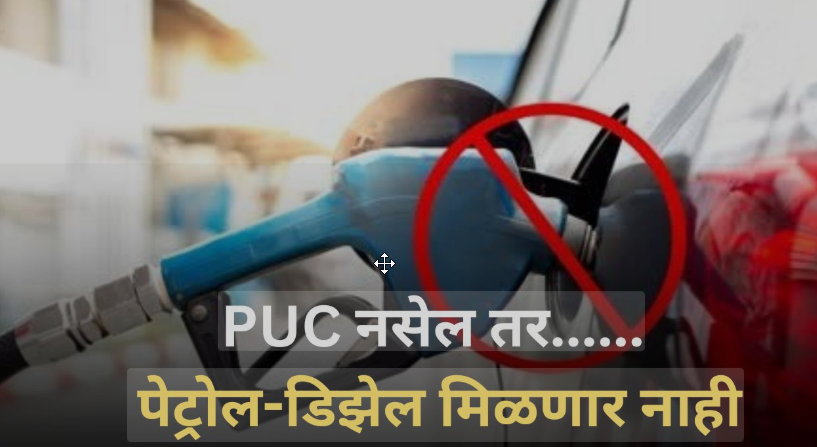
The No PUC No Fuel Policy in Nashik 2025 has become one of the most debated topics among vehicle owners, petrol dealers, and policymakers. While the initiative aims to curb air pollution and ensure every vehicle on Nashik’s roads is environmentally compliant, it also raises questions about practicality, enforcement, and the immediate impact on citizens. With Nashik being a rapidly growing city and preparing for mega events like the Simhastha Kumbh Mela 2027, such policies are not just about rules they are about shaping the city’s future.
In this blog, we’ll explore the big benefits and painful burdens of the No PUC No Fuel Policy in Nashik 2025, backed with facts, local updates, expert views, and what it truly means for the people of Nashik.
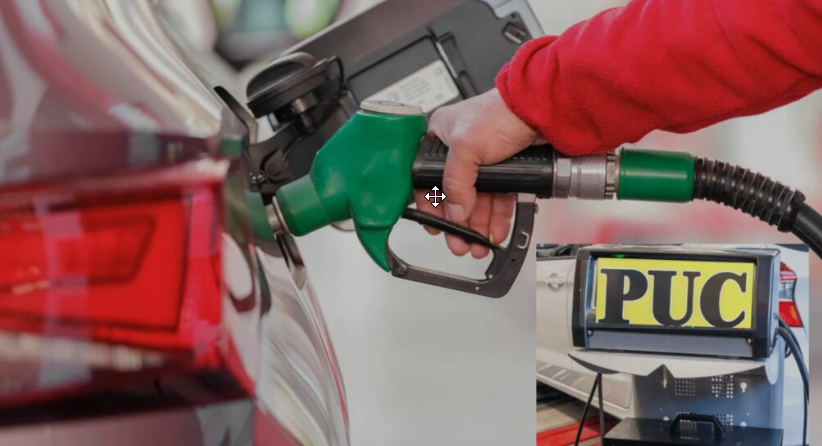
What is the “No PUC No Fuel Policy in Nashik 2025?
The No PUC No Fuel Policy in Nashik 2025 mandates that fuel stations cannot dispense petrol or diesel to vehicles without a valid Pollution Under Control (PUC) certificate. The PUC certificate is proof that a vehicle’s emissions are within permissible limits.
This policy is not unique to Nashik it has been proposed in cities like Delhi, Pune, and Mumbai earlier, but Nashik is now in the spotlight because:
- The city ranked 16th in Swachh Vayu Survekshan 2025 for air quality improvement.
- Authorities want to sustain this achievement and push cleaner mobility.
- Public health concerns are rising due to vehicular emissions being a major pollutant.
Why Did Nashik Introduce This Policy in 2025?
The No PUC No Fuel Policy in Nashik 2025 is not just a random decision it is driven by urgent environmental needs and future planning:
- Rising Air Pollution: Despite improvements, Nashik’s air quality still fluctuates seasonally, especially during crop burning and heavy traffic.
- Vehicle Population Surge: Nashik’s growing middle class and industrial boom have increased the number of private vehicles.
- Pre-Kumbh Preparations: Authorities are preparing for Simhastha Kumbh Mela 2027, where millions of pilgrims will visit. Pollution management is a priority.
- Health Concerns: Nashik hospitals report higher cases of asthma, allergies, and respiratory issues linked to poor air.
Thus, the No PUC No Fuel Policy in Nashik 2025 was positioned as both an environmental reform and a health safeguard.
Big Benefits of the No PUC No Fuel Policy in Nashik 2025
While critics highlight challenges, there are undeniable benefits that make this policy powerful:
- Cleaner Air, Healthier Nashik
Reducing vehicular emissions directly improves air quality, which can lower respiratory diseases and boost public health. - Discipline Among Vehicle Owners
Many motorists neglect PUC renewal. This policy forces compliance, ensuring vehicles stay environmentally safe. - Data Collection for Authorities
Regular PUC checks generate useful emission data, helping Nashik Municipal Corporation plan smarter urban strategies. - Boost to EV Adoption
With rising enforcement pressure, many Nashik citizens may shift to electric vehicles, supporting India’s green mobility mission. - Positive Image for Nashik
As Nashik gears up for global attention during the Kumbh Mela 2027, such policies showcase its commitment to sustainability.
Painful Burdens & Challenges for Citizens
Not everything about the No PUC No Fuel Policy in Nashik 2025 is smooth. Critics argue it creates practical hurdles:
- Long Queues at Fuel Stations
Petrol dealers fear chaos as staff must verify every PUC before filling fuel. This could lead to congestion and delays. - Fake PUC Certificates
A surge in counterfeit certificates is likely if strict monitoring systems are not established. - Burden on Low-Income Vehicle Owners
Auto rickshaw drivers, delivery workers, and farmers using older vehicles may face penalties and extra costs for frequent PUC renewals. - Dealer Safety Concerns
Petrol dealers argue that refusing fuel to customers can trigger conflicts and safety issues at stations. - Implementation Gaps
Without digital integration (QR codes, online tracking), enforcing the No PUC No Fuel Policy in Nashik 2025 will remain patchy.
What Petrol Dealers in Nashik Are Saying

he Petroleum Dealers Association in Nashik has strongly opposed the policy. Their arguments include:
- Staff cannot be expected to act as enforcement officers.
- Disputes at fuel stations may rise, putting workers at risk.
- Technical checks (like QR code scanners for PUC) are not provided.
- They demand the government create digital solutions before shifting responsibility to dealers.
This shows that execution matters more than just announcing policies.
What Do Citizens of Nashik Think?
Opinions are divided on the No PUC No Fuel Policy in Nashik 2025:
- ✅ Supporters: Say the policy is necessary to control pollution and build a healthier future for Nashik.
- ❌ Critics: Call it an “extra burden” for common people, especially when many are already dealing with high fuel prices.
Trending local social media hashtags like #CleanNashik, #NoPUCNoFuel, and #Nashik2025 reflect this mixed sentiment.
Government’s Next Steps
Authorities are planning:
- A digital PUC verification system linked to vehicle numbers.
- Awareness campaigns before full enforcement.
- Subsidies and discounts for EV buyers in Nashik.
- Possible phased implementation to reduce chaos.
If executed properly, the No PUC No Fuel Policy in Nashik 2025 could set an example for other Indian cities.
Nashik vs Other Cities – A Comparative Look
- Delhi: Implemented a similar policy earlier, but faced challenges with fake PUCs.
- Pune: Attempted stricter enforcement but faced resistance from fuel dealers.
- Mumbai: Focuses on digital monitoring through RTO systems.
If Nashik learns from these cities, it can avoid pitfalls.
Will This Policy Truly Work?
The success of the No PUC No Fuel Policy in Nashik 2025 depends on:
- Strong digital backbone.
- Public cooperation.
- Transparent enforcement.
- Support for low-income vehicle owners.
Without these, the policy risks being just another headline without real impact.
FAQs on No PUC No Fuel Policy in Nashik 2025
Q1. What is the fine for not having a PUC in Nashik 2025?
A: Current fines range from ₹1000 to ₹2000 for light vehicles and more for heavy vehicles, but enforcement is expected to get stricter.
Q2. Where can Nashik citizens get a PUC certificate?
A: At authorized petrol pumps, RTO centers, and private emission testing facilities.
Q3. Will old vehicles be banned under this policy?
A: No, but they must pass emission tests regularly; otherwise, they cannot refuel.
Q4. When will the policy be fully enforced?
A: Authorities suggest a phased rollout in 2025, with stricter action closer to 2027 Kumbh Mela.
Conclusion
The No PUC No Fuel Policy in Nashik 2025 is a bold step in the fight against pollution. It promises cleaner air, better health, and disciplined traffic, but it also places practical burdens on citizens and fuel dealers. For Nashik, the real test lies in execution, digital monitoring, and citizen cooperation.
If handled wisely, Nashik could emerge as a model eco-city of Maharashtra, setting the stage for a greener future and showcasing to millions of Kumbh visitors that the city values both its culture and its climate.


Pingback: Navratri History in Nashik: 7 Amazing Traditions 2025