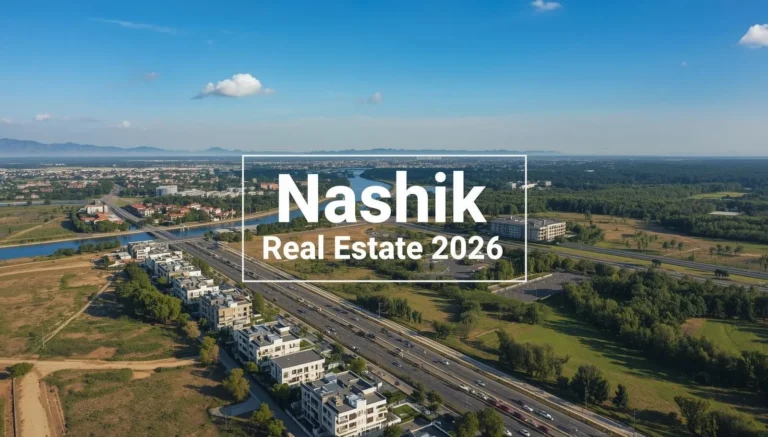
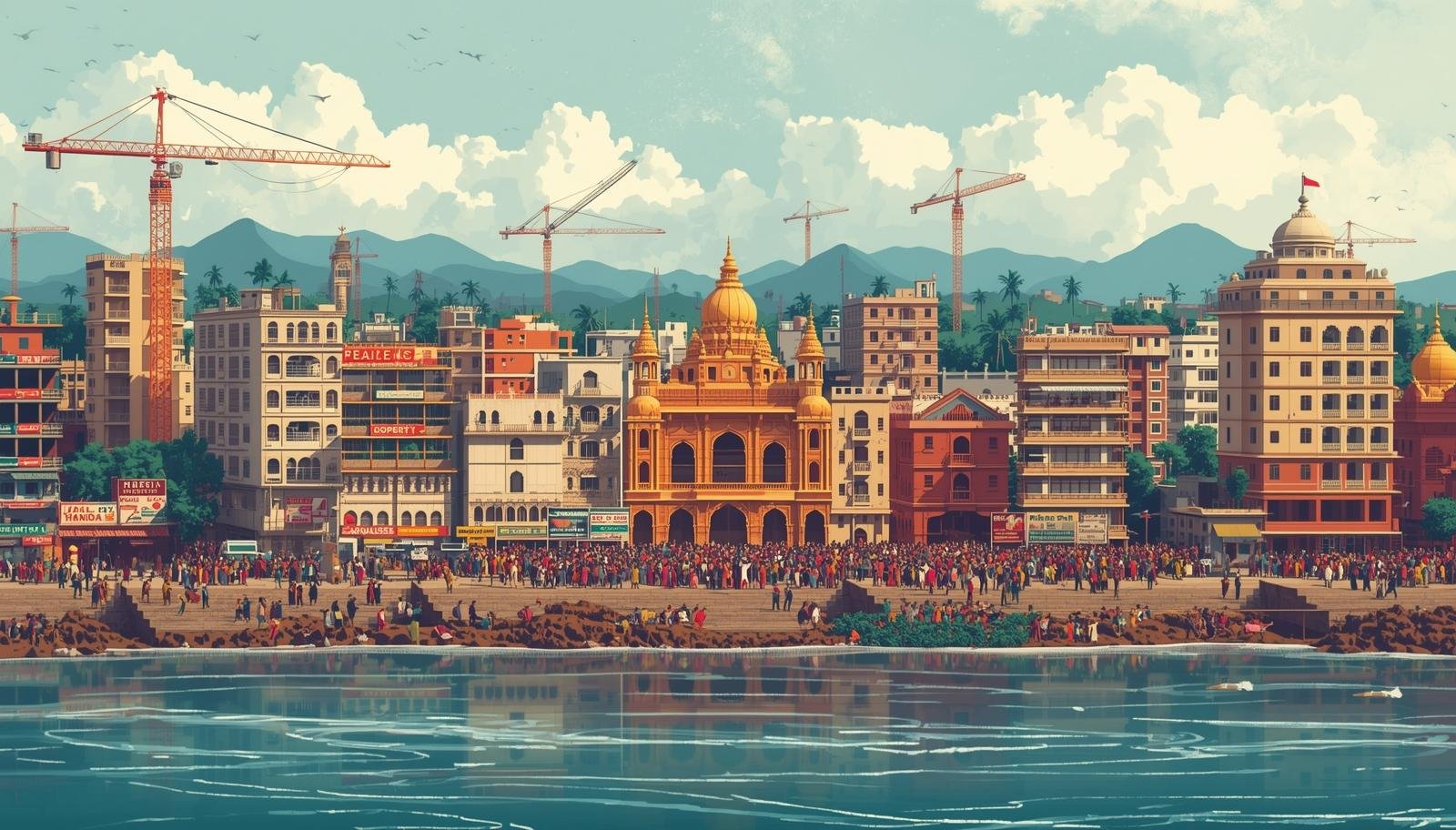
The Upcoming Kumbh Mela in Nashik — officially the Simhastha Kumbh Mela — is more than just a sacred gathering; it’s a catalyst for unprecedented transformation across the city’s infrastructure, economy, and real estate landscape. Scheduled from October 31, 2026 to July 24, 2028, this once-in-12-years religious festival is anticipated to draw millions of devotees, tourists, and attention from across India and the world. The scale and duration of this event mean far-reaching effects on Nashik’s growth story, and property investors are already taking notice.
Transformative Infrastructure Projects
To support the massive influx of pilgrims and visitors expected over nearly two years, the Nashik Municipal Corporation and the state government have embarked on comprehensive infrastructure upgrades. These include major water supply enhancements, road expansions, sewage treatment upgrades, sanitation facilities, and more. For example, the NMC initiated Rs 440 crore water projects aimed at boosting the city’s water output by an additional 250 million litres per day, ensuring stable supply even during peak festival periods.
Additionally, roads leading to and within Nashik are being upgraded with budget allocations spread across major corridors. Highways and arterial routes are being improved, not only for festival logistics but also to create lasting connectivity improvements that benefit local residents and businesses.
Such mega-scale infrastructure work — often funded at tens of thousands of crores — lays a lasting foundation that significantly enhances urban living standards and attracts investors eyeing long-term property appreciation.
Massive Government Investments
Authorities have approved and commenced projects worth thousands of crores to prepare for the Kumbh Mela. Reports indicate that combined investments from state and central sources could exceed ₹20,000 crore for upgrades ranging from civic amenities, roads, utilities, and urban beautification to tourism infrastructure.
These large-scale public works do more than prepare Nashik for pilgrims; they elevate the city’s foundational infrastructure — a key factor that attracts real estate development. Roads, sewage systems, water networks, and public facilities become long-term assets that make residential and commercial zones more desirable, pushing property values upward.
Boost to Connectivity and Urban Expansion
Better connectivity is one of the most tangible benefits of hosting a mega-event like the Kumbh Mela. Roads connecting Nashik to neighbouring districts and metros are being modernised to handle increased traffic and ensure smooth travel for visitors. This improvement benefits daily commuters, businesses, and future residents alike.
Improved connectivity often leads to rapid expansion of the city’s real estate footprint. Areas that were once considered peripheral begin attracting developers and investors due to better access and transport infrastructure. New road networks open up growth corridors where land prices begin to rise — especially in zones close to transit nodes and commercial hubs.
Tourism and Auxiliary Demand
Mega festivals consistently generate a surge in demand for short-term accommodation — hotels, guest houses, homestays, and rental units. This demand is a direct outcome of Nashik event and updates tied to the Kumbh Mela. With millions expected to attend, short-term rental markets and hospitality real estate segments are poised to see significant revenue growth.
Investors and developers have already started eyeing lands and properties suitable for tourism-linked uses, such as boutique hotels, serviced apartments, and cultural experience stays. This new demand stream can uplift real estate segments that would otherwise grow slowly.
Residential Property Value Appreciation
Public investments and better infrastructure naturally increase property values. Improved roads, civic amenities, and utilities make residential areas more attractive, prompting developers to launch new housing projects. Markets responding to anticipated demand often see value appreciation well before the event itself.
In Nashik, locations that are directly influenced by Kumbh-related improvements — such as upgraded corridors, transit routes, and tourism zones — are experiencing increased interest from buyers and investors. In anticipation of this trend, developers are launching projects that promise both short-term returns and long-term growth.
Commercial and Retail Real Estate Growth
Commercial real estate also stands to gain from the increased activity. Businesses ranging from retail and hospitality to service providers and professional offices are repositioning themselves to leverage the expected surge in visitors and economic activity. Mixed-use developments — combining residential, retail, and office components — are becoming more attractive as they serve both long-term residents and transient populations visiting for events.
Population Influx and Rental Market Impact
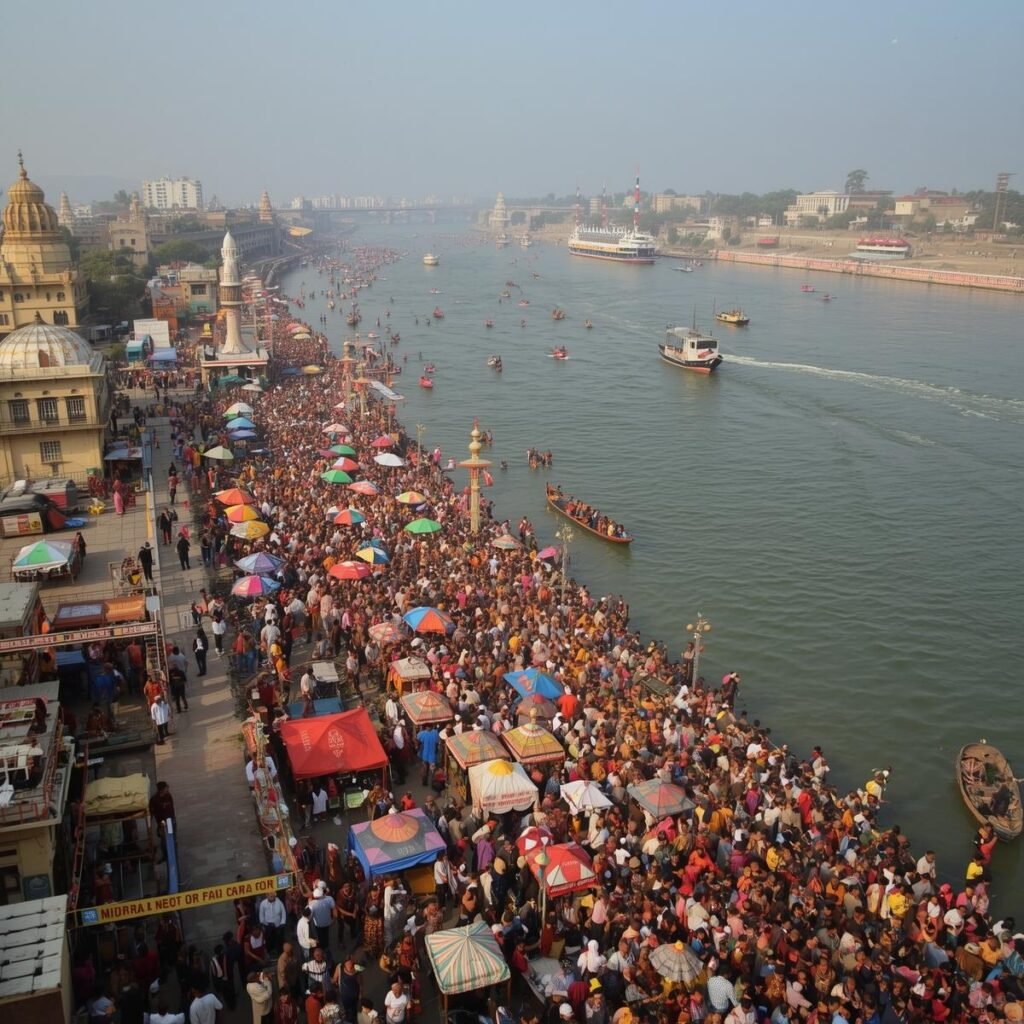
Historically, large religious events bring a substantial temporary population increase. With the Upcoming Kumbh Mela, Nashik is expected to temporarily house millions more than its usual population. This influx drives demand for rentals in the short and medium term, especially around pilgrimage hubs like Ramkund and Trimbakeshwar.
Strong short-term rental demand often stabilises into longer-term leases as businesses and workers relocate to the city permanently. Over time, this trend can lead to improved rental yields, which is an important metric for real estate investors assessing long-term profitability.
Civic and Environmental Upgrades
Many of the infrastructure projects initiated ahead of the Kumbh Mela are designed to benefit citizens long after the event has concluded. For example, enhancements in water treatment, sewage management, solid waste disposal, and public transportation systems translate into better living conditions and increased urban sustainability.
These long-lasting improvements elevate Nashik’s appeal as a high-quality urban centre, not just for pilgrims but for professionals, families, and retirees looking for a well-connected, well-served city to call home.
Land Acquisition and Growth Corridors
Real estate markets respond not only to infrastructure but also to land availability and acquisition dynamics. Areas such as Tapovan — central to hosting festival-related activities — are seeing growth interest. Development of temporary and permanent housing clusters, retail plazas, and service zones around these nodes could have long-lasting effects on land pricing and demand patterns.
Peripheral zones connected via major transport upgrades are also gaining traction, with developers and investors positioning themselves ahead of anticipated price rises. Early acquisition in these zones often yields higher returns when infrastructure upgrades are completed and residential demand follows.
Community Awareness and Long-Term Vision
The Kumbh Mela preparations are generating continuous Nashik event and updates across social, civic, and business media channels. This heightened visibility keeps the community engaged with how the city is evolving and highlights opportunities in real estate, business, and urban living.
Community events, planning meetings, and civic projects help stakeholders — from local residents to large investors — access timely information about the city’s future direction, making Nashik’s property market more transparent and attractive.
Concluding Thoughts
The Upcoming Kumbh Mela is more than a spiritual celebration; it’s shaping Nashik’s future as a thriving urban centre with upgraded infrastructure, enhanced connectivity, and expanded real estate opportunities. By driving public investment into long-term projects and attracting pilgrimage-linked tourism and commercial activity, the event is accelerating Nashik’s evolution into a dynamic property market.
Investors, developers, homebuyers, and real estate professionals watching Nashik event and updates closely are already identifying areas of high potential — from residential hotspots to commercial corridors and short-term rental opportunities. As the city prepares for this monumental festival, the ripple effects on the real estate market promise benefits that extend far beyond the event itself.