Traffic Problems in Nashik 2026: Causes & Solutions
Nashik is growing rapidly but with this growth comes a major urban challenge: traffic congestion. In 2026, traffic will become one of the most talked-about issues affecting daily life in the city.
From daily commuters to businesses and tourists, everyone is feeling the pressure. If you’ve been following Nashik event and updates, traffic problems are now a key part of the city’s growth story.
Let’s break down the real causes behind Nashik’s traffic issues and the practical solutions ahead.
Current Traffic Situation in Nashik (2026)
Traffic congestion is no longer occasional, it’s daily reality in many parts of Nashik.
Key hotspots:
- Dwarka Circle
- Panchavati
- Nashik Road
- Trimbak Road
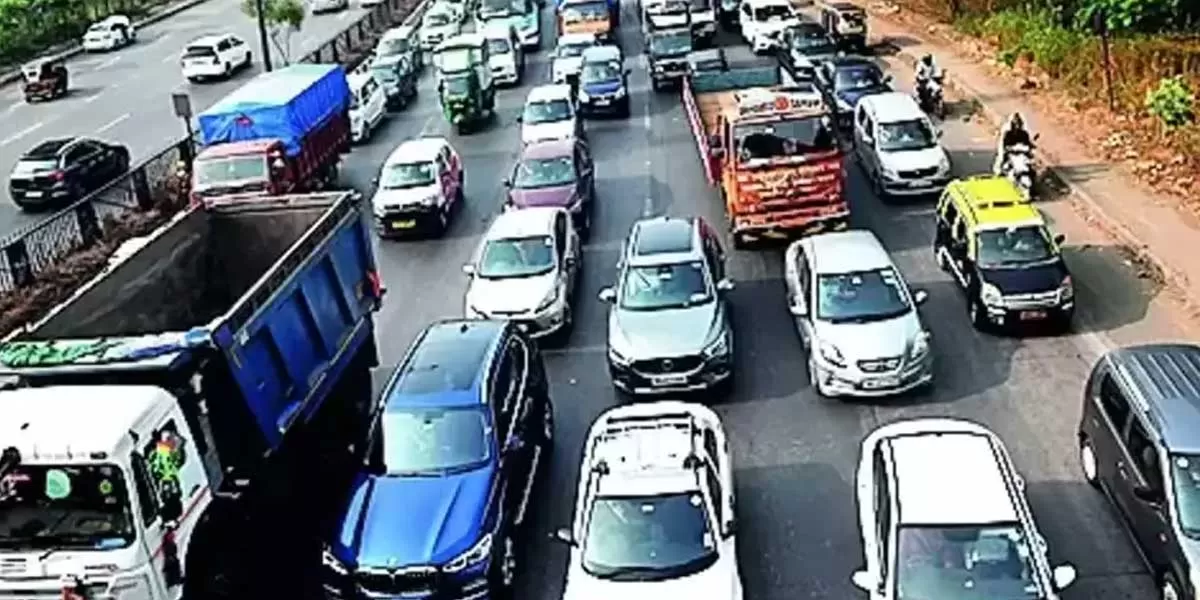
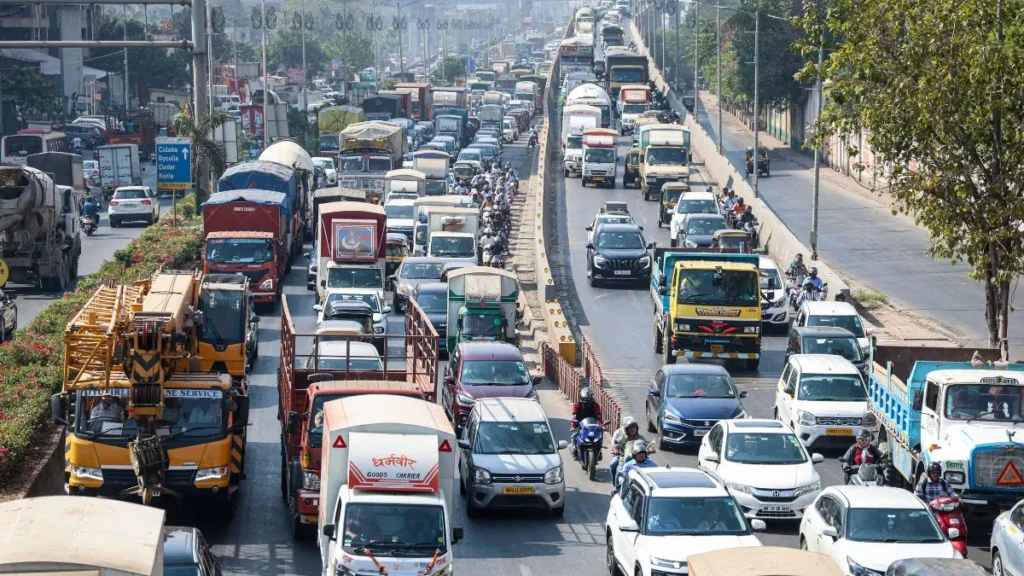
Recent reports show massive jams with thousands of vehicles stuck for hours, especially near highways and junctions.
In some cases, vehicle queues have stretched up to 4–5 km on highways, highlighting the severity of the issue.
Major Causes of Traffic Problems in Nashik
1. Ongoing Infrastructure & Kumbh Projects
The biggest reason behind current congestion is large-scale construction work.
- Road widening projects
- Underground pipeline installation
- Smart city upgrades
These works often happen simultaneously, causing:
- Road closures
- Lane reductions
- Traffic diversions
Poor coordination between departments has made the situation worse, leading to repeated digging and disruptions.
Development is necessary but execution is creating chaos.
2. Rapid Increase in Vehicles
With population growth and rising income levels:
- More people are buying cars and bikes
- Public transport remains limited
Result: More vehicles on the same roads
3. Narrow Roads in Old Areas
Areas like Panchavati and old Nashik have:
- Narrow roads
- Unplanned layouts
- High population density
These areas were not designed for modern traffic volumes.
4. Poor Road Conditions & Potholes
Road quality is a major issue:
- Potholes on flyovers and main roads
- Uneven surfaces due to repairs
These force vehicles to slow down, causing bottlenecks and daily jams.
5. Weak Traffic Management
Traffic systems are improving but still insufficient.
Problems:
- Poor signal coordination
- Lack of traffic discipline
- Limited enforcement in some areas
Even small disruptions can create large jams.
6. Limited Public Transport Options
Nashik lacks a strong public transport system.
- Limited bus network
- No metro or rapid transit
- Weak last-mile connectivity
People rely heavily on private vehicles.
7. Unplanned Urban Expansion
New areas are developing fast, but:
- Roads are not ready
- Infrastructure is incomplete
Growth is happening faster than planning.
8. Highway & Toll Congestion
Highways connecting Nashik are also facing issues.
- Construction work slowing traffic
- Toll plaza congestion
- Heavy vehicle movement
Recent incidents show thousands of vehicles stuck for hours on highways, especially during peak travel times.
9. Poor Coordination During Peak Events
Festivals, holidays, and tourism spikes create sudden traffic surges.
- No proper alternative routes
- Weak traffic planning during peak times
This leads to extreme congestion.
Impact of Traffic Problems on Nashik
1. Daily Life Disruption
- Longer commute times
- Increased stress
- Reduced productivity
2. Higher Fuel Consumption
- Vehicles stuck in traffic burn more fuel
- Increased travel costs
3. Rising Pollution
- More emissions due to idling vehicles
- Air quality slowly worsening
4. Emergency Delays
Traffic jams can delay:
- Ambulances
- Fire services
This is a serious safety concern.
5. Business Impact
- Delayed deliveries
- Reduced customer footfall
- Increased logistics costs
Solutions to Nashik’s Traffic Problem
1. Fast-Track Infrastructure Projects
- Complete ongoing road projects faster
- Improve coordination between departments
Avoid repeated digging of the same roads.
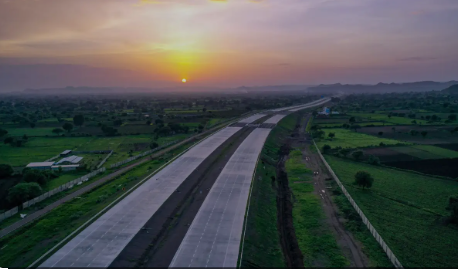
2. Nashik Ring Road Development
The Ring Road project can:
- Divert heavy vehicles
- Reduce city congestion
This is a long-term game changer.
3. Smart Traffic Management
- AI-based traffic signals
- Real-time monitoring
- Better signal synchronization
Already being implemented in some areas.
4. Improve Public Transport
- Expand bus network
- Introduce electric buses
- Improve last-mile connectivity
Reduce dependency on private vehicles.
5. Dedicated Parking & No-Parking Zones
- Multi-level parking systems
- Strict enforcement of no-parking zones
Prevent road blockages.
6. Pedestrian & Footpath Development
- Safe walking paths
- Proper crossings
Reduce unnecessary vehicle usage.
7. Promote Alternative Transport
- Cycling lanes
- Carpooling
- Ride-sharing
8. Better Event Traffic Planning
- Temporary traffic routes
- Public advisories
- Traffic police deployment
Especially important for Kumbh 2027.
What Nashik Event and Updates Suggest
Recent Nashik event and updates clearly show:
✔ Government is aware of the issue
✔ Infrastructure projects are in progress
✔ Traffic systems are slowly improving
However, execution speed and coordination remain key challenges.
Future Outlook (2026–2030)
Short-Term (2026–2027):
- Traffic will remain challenging
- Construction phase will continue
Mid-Term (2027–2028):
- Gradual improvement after project completion
Long-Term (2028–2030):
- Better roads
- Improved connectivity
- Reduced congestion
Nashik is currently in a transition phase.
What Should You Do as a Resident?
- Plan travel during non-peak hours
- Use alternative routes
- Follow traffic rules strictly
- Consider carpooling
Small habits can make a big difference.
Conclusion
Traffic problems in Nashik are a direct result of rapid growth and large-scale development. While the current situation is frustrating, it also signals that the city is evolving.
Short-term pain
Long-term gain
With better planning, faster execution, and smart mobility solutions, Nashik can overcome its traffic challenges and emerge as a well-connected, future-ready city. At Tranquil Stead, we bring you real insights and the latest Nashik event and updates to help you stay informed and make smarter decisions in this fast-changing city.